How to Prepare for a Medication Review Appointment: A Practical Guide
Learn how to prepare for a medication review appointment to ensure your prescriptions are safe and effective. Tips on making lists and avoiding prescription blocks.
When working with medication safety, the practice of preventing avoidable medication errors and minimizing adverse drug events. Also known as drug safety, it drug interactions, the way two or more medicines affect each other’s action and adverse effects, unwanted symptoms caused by a medication are at the core of the conversation. Adding dosage errors, mistakes in how much or how often a drug is taken and patient monitoring, ongoing checks to catch problems early gives a full picture of how to keep medication use safe.
Medication safety isn’t a separate discipline; it’s woven into everyday prescribing, dispensing and taking of drugs. First, understand that medication safety encompasses drug interactions – a classic example is a blood thinner reacting with certain antibiotics, raising bleeding risk. Next, effective dosage guidelines reduce dosage errors; a clear label and proper timing can prevent an overdose of a pain reliever. Finally, patient monitoring supports early detection of adverse effects, letting clinicians adjust therapy before a problem escalates. These connections form a safety net that protects patients from preventable harm.
Every time you combine a prescription with an over‑the‑counter product, a supplement, or even a food, you create a potential drug interaction. Some interactions are subtle – a modest increase in blood pressure when a certain antihistamine is taken with a stimulant – while others can be life‑threatening, like a statin interacting with a fibrate and causing muscle damage. Knowing which medicines belong together lets you ask the right questions at the pharmacy and spot red flags before they become emergencies.
Healthcare providers use interaction checkers, but patients can do a lot themselves. Keep an up‑to‑date list of every drug you take, note the dose and timing, and share it with every doctor you see. If you’re prescribed a new medication, ask specifically whether it interacts with your current regimen. Simple awareness cuts down on hidden risks.
Adverse effects often arise from the same chemistry that makes a drug work. While some side effects are mild (like a dry mouth), others signal a serious problem – rash, shortness of breath, or unexplained bruising. Recognizing a pattern early lets you act quickly. For example, a sudden itching after starting a new antibiotic could be an allergic reaction that needs immediate attention.
Dosage errors are surprisingly common. A single extra pill of a blood pressure medication can tip you into low blood pressure, causing dizziness or fainting. Conversely, missing doses of an antiviral reduces its effectiveness and may promote resistance. Clear labeling, using pill organizers, and setting reminders are low‑tech ways to keep dosing on track.
Patient monitoring goes beyond the occasional lab test. It includes checking blood pressure at home, tracking blood sugar, and noting any new symptoms. Many apps let you log side effects and share the data with your clinician. When you detect a change early, the doctor can tweak the dose or switch drugs before harm occurs.
Putting these pieces together creates a robust safety system. Think of medication safety as a three‑leg stool: drug interactions, dosage accuracy, and ongoing monitoring. Lose any leg and the whole thing wobbles. By staying informed, asking questions, and using tools like reminders and interaction checkers, you keep the stool steady and protect your health.
Below you’ll find a curated collection of articles that dive deeper into each of these topics – from sleep disturbances caused by steroids to thyroid changes from lipid‑lowering drugs, and practical guides on handling specific medication‑related challenges. Use them to reinforce your understanding and empower your next conversation with a healthcare professional.

Learn how to prepare for a medication review appointment to ensure your prescriptions are safe and effective. Tips on making lists and avoiding prescription blocks.

A practical guide to building a medication safety system at home that prevents errors, reduces hospital visits, and works for complex regimens. Learn what tools actually help-and what to avoid.

Learn how to stay updated on global medication safety news through official channels like WHO, UMC, and the Yellow Card scheme. Discover tools, reporting systems, and real-world strategies to protect yourself and others from adverse drug reactions.

Generic drugs are cheaper and widely used by older adults, but age-related changes in metabolism, kidney function, and polypharmacy increase risks. Learn what drugs to avoid, how to spot problems, and how to stay safe.

Look-alike packaging in pharmacies causes thousands of medication errors each year. Learn how physical separation, Tall Man Lettering, and barcode scanning can stop these dangerous mistakes before they happen.

Managing ADHD in adults requires medication, coaching, and organization strategies. This guide explains safe medication use, practical organization tips, and how coaching improves focus. Real data from studies and user experiences show how these methods reduce symptoms and enhance quality of life.
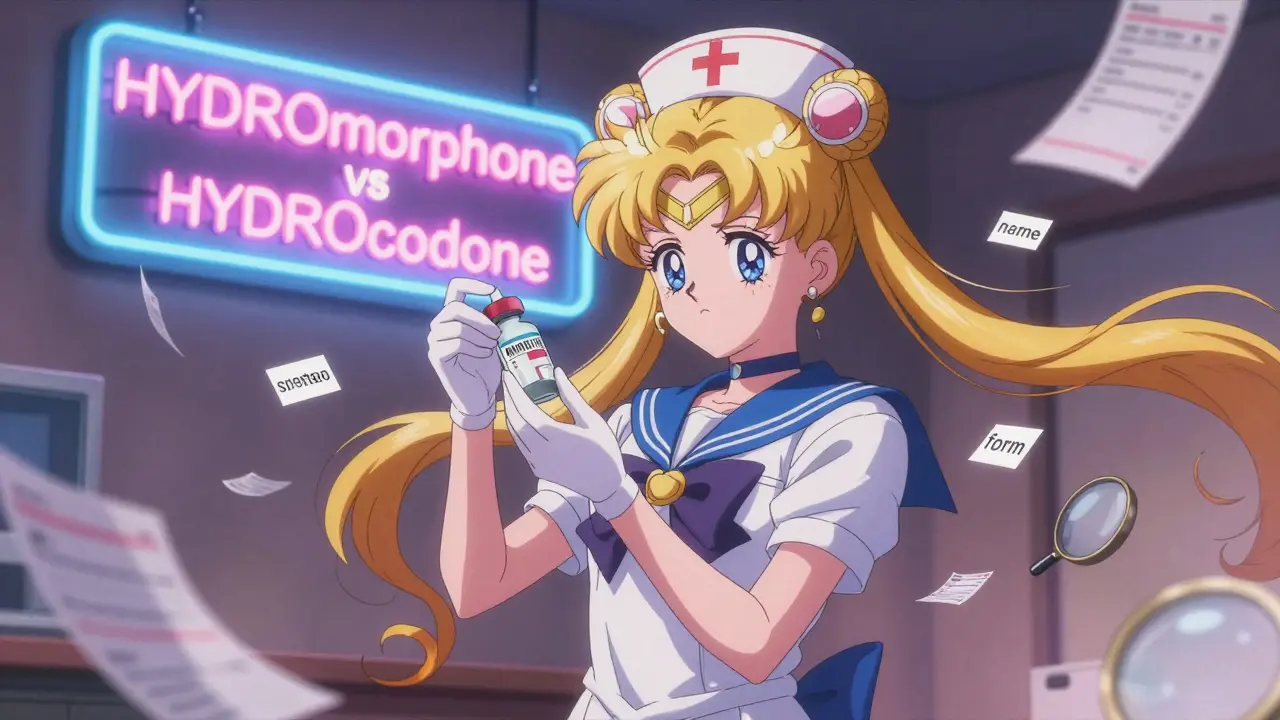
Learn how to safely verify medication names, strengths, and dosage forms to prevent dangerous errors. Step-by-step guidance for patients and professionals on checking every detail before taking or giving any drug.
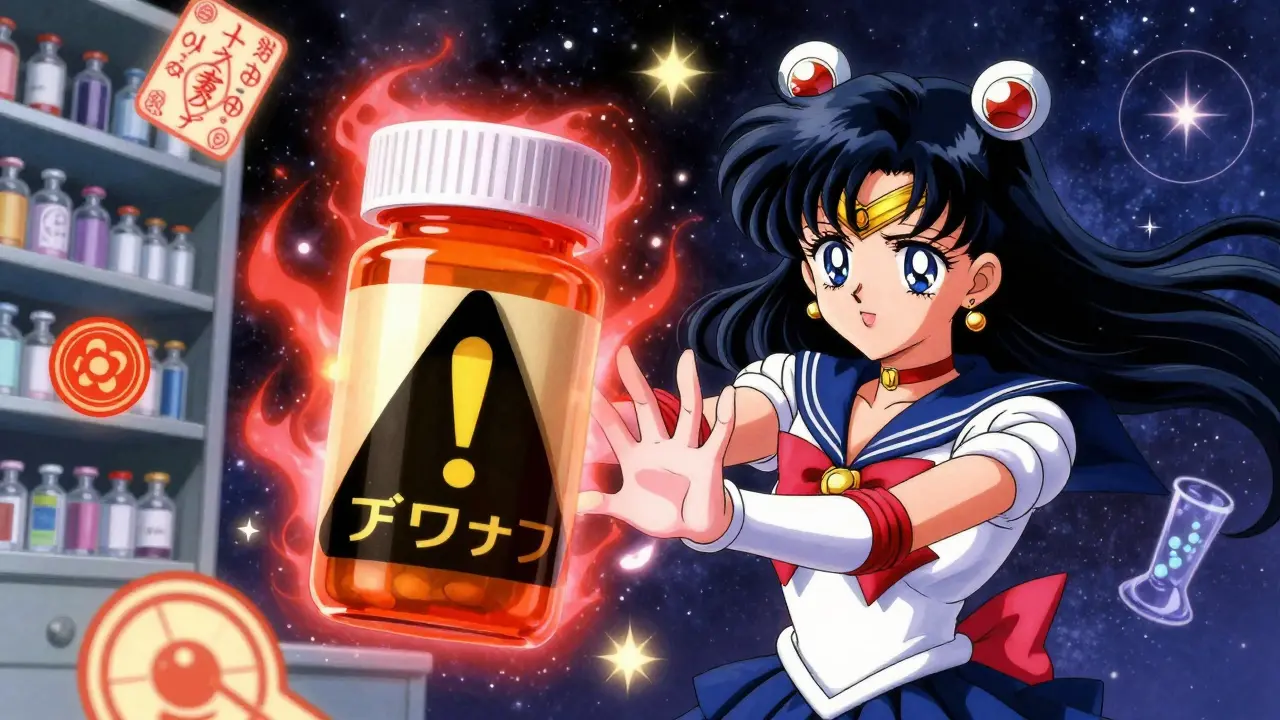
Learn how to read prescription drug safety labels to avoid dangerous side effects and interactions. Understand boxed warnings, pharmacy stickers, and what to do if you take multiple medications.

Pomegranate juice doesn't interact with medications the way grapefruit juice does. Human studies show no clinically significant effects on drug metabolism, making it safe for most people on statins, blood pressure meds, or warfarin.

Checking your medication label before every dose reduces error risk by 76%. Learn how to make this simple habit automatic with the Three-Touch Method and practical tips for vision, memory, and busy routines.

College students are at high risk for prescription drug misuse, especially stimulants like Adderall. Learn why it happens, how to store meds safely, where to dispose of unused pills, and what campuses are doing to help.

Post-marketing pharmacovigilance catches dangerous side effects that clinical trials miss. Learn how real-world data, AI, and patient reports help find hidden risks in approved medications.