When you’re over 65, taking medication isn’t just about treating an illness-it’s about staying safe. Many older adults rely on generic drugs because they’re cheaper, and for most people, they work just as well as brand-name versions. But here’s the truth: generic drugs aren’t always a simple swap when you’re aging. Your body changes. Your kidneys slow down. Your liver can’t process drugs like it used to. And if you’re taking five, seven, or even ten medications a day, the risks multiply fast. This isn’t about fear. It’s about facts.
Why Older Bodies Handle Drugs Differently
Your body isn’t the same at 75 as it was at 45. Muscle mass drops. Fat increases. Water content falls. That means drugs sit in your system longer. A dose that was perfect at 60 might be too much at 75. A 2023 study found that drug metabolism can drop by up to 30% in people over 75. That’s not a small change. It’s the difference between a pill working as intended and building up to dangerous levels.Take blood pressure meds like beta blockers. They’re common, often prescribed as generics. But in older adults, they can cause dangerously slow heart rates-up to 30% of users experience this. Or digoxin, used for heart rhythm issues. It can trigger arrhythmias in 10-15% of seniors. Even insulin and sulfonylureas for diabetes? They’re linked to low blood sugar, which can mean falls, confusion, or brain injury. These aren’t rare side effects. They’re common enough that doctors now screen for them.
And it’s not just the drugs themselves. It’s how they interact. If you’re on five medications, your risk of an adverse reaction jumps to 58%. With seven or more? It’s 82%. That’s not a guess. That’s from a 2023 study in PMC. Polypharmacy isn’t just a buzzword-it’s a ticking time bomb.
Generic vs. Brand: Is There a Real Difference?
The FDA says generic drugs must be bioequivalent to brand-name versions. That means they deliver the same active ingredient, in the same strength, at the same rate. In theory, they’re identical. But in practice? It’s messier.Take warfarin, a blood thinner. It’s a narrow therapeutic index drug-meaning tiny changes in blood levels can cause bleeding or clots. A 2021 study in the Journal of Thrombosis and Haemostasis found generic warfarin was 98.7% equivalent to Coumadin. That sounds perfect. But a 2023 survey of older adults showed 42% still believed the brand was safer. Why? Because some patients report instability after switching. One Reddit user, GrandmaLovesMeds, described how her 82-year-old mother’s TSH levels went haywire after switching from brand-name Synthroid to generic levothyroxine. It took three dosage adjustments over six months to stabilize.
That doesn’t mean generics are unsafe. It means some people are more sensitive. And when you’re older, sensitivity matters more. The same goes for antidepressants. SNRIs like venlafaxine, whether generic or brand, increase fall risk by 37% in seniors. The Beers Criteria 2023 update flagged them as potentially inappropriate for older adults with a history of falls. The drug doesn’t change. The body does.
Drugs That Should Be Avoided-No Matter the Brand
The American Geriatrics Society’s Beers Criteria isn’t about brand names. It’s about drugs that are risky for older adults, period. Here’s what they warn against:- Cyclobenzaprine (Flexeril) - A muscle relaxant that increases dizziness and fall risk. Used by 1 in 5 seniors. The National Council on Aging documented a case of an 88-year-old woman who fell after taking it.
- Benzodiazepines - Like lorazepam or diazepam. Linked to confusion, memory loss, and a 154% higher overdose risk when combined with opioids.
- Anticholinergics - Found in some allergy meds, bladder pills, and sleep aids. They can cause urinary retention, constipation, and cognitive decline. Even in generic form.
- Aspirin for primary prevention - Used to be recommended for heart health. Now, for those over 70, the bleeding risk outweighs the benefit. A 2016 review found a 2.3x higher chance of internal bleeding with no clear heart protection.
- Rivaroxaban (Xarelto) - A direct oral anticoagulant. While convenient, it carries a 28% higher risk of stomach bleeding in adults 75+ compared to warfarin.
These aren’t brand-specific warnings. They apply whether the drug is generic, store-brand, or name-brand. The issue isn’t the label. It’s the drug’s effect on an aging body.
What You Can Do to Stay Safe
Knowing the risks isn’t enough. You need to act. Here’s what works:- Keep a written list - Every pill, supplement, and OTC med. Update it after every doctor visit. One study showed this reduces duplicate prescriptions by 41%.
- Ask for a medication review - Ask your pharmacist for a full review every 3-4 months. Studies show this cuts adverse events by 27%.
- Use pill organizers - Color-coded containers or automated dispensers reduce errors by 34%. A 2021 study in the Journal of the American Geriatrics Society proved it.
- Check labels - If you can’t read the label, ask for larger print. The National Eye Institute says 65% of seniors have vision problems that make small print unreadable.
- Watch for expiration dates - 22% of medication errors in older adults come from expired or improperly stored pills. Heat, humidity, and sunlight degrade drugs faster than you think.
And if you’re switching from brand to generic? Talk to your doctor. Don’t assume it’s safe. Monitor how you feel. Report changes in energy, balance, or mood. A small shift in how you feel can signal a bigger problem.
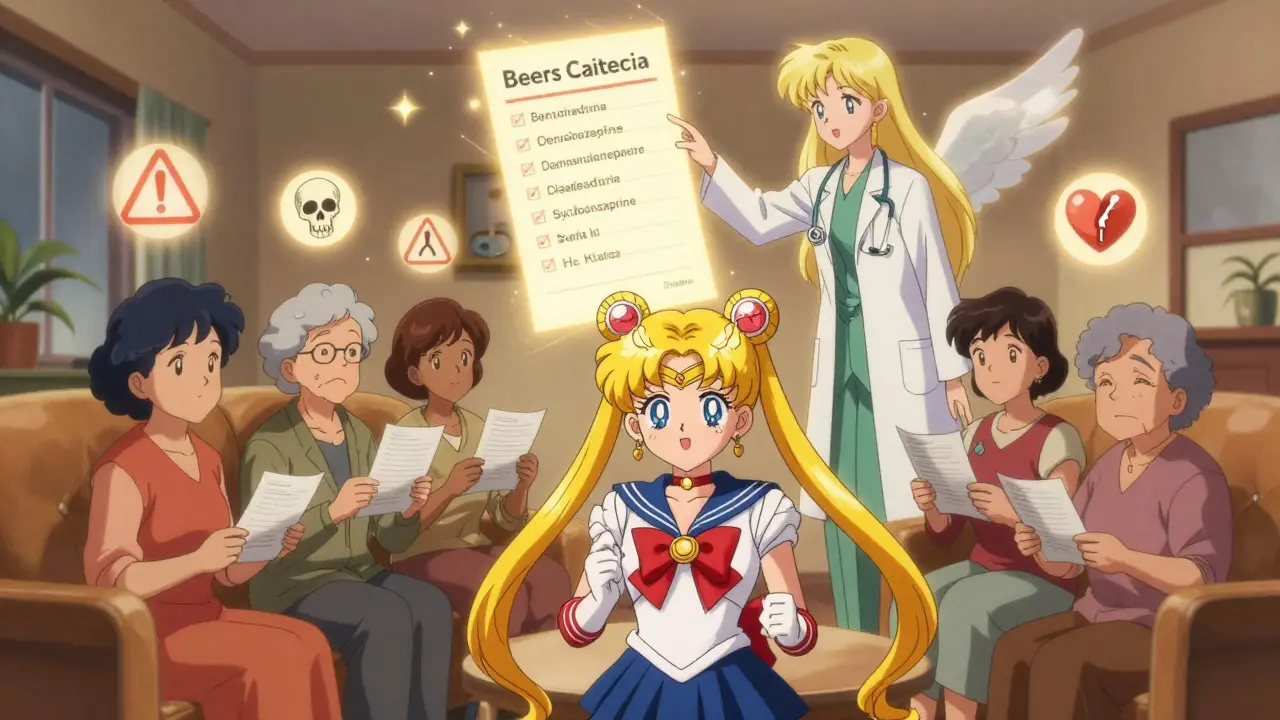
When to Question a Generic Switch
Not all drugs are equal when it comes to switching. Some need extra caution:- Narrow therapeutic index drugs - Warfarin, levothyroxine, phenytoin. Small changes matter. If you’ve been stable on brand, ask if switching is truly necessary.
- Drugs with complex dosing - Like insulin or anticoagulants. If you’re on multiple daily doses, a switch can disrupt your rhythm.
- Drugs linked to falls - Sedatives, antihypertensives, diuretics. If you’ve had a fall in the past year, review every medication with your doctor.
There’s no rule that says you must switch. If you’re doing well on brand-name, and can afford it, staying put is a valid choice. The goal isn’t cost-cutting-it’s safety.
The Bigger Picture: Why This Matters
Medication errors cost the U.S. healthcare system billions. Older adults are hit hardest. Medicare beneficiaries fill an average of 48 prescriptions a year-89% of them generics. That’s a lot of pills. And with the population aging, this isn’t getting better. The FDA’s 2022 Sentinel Initiative now tracks adverse events by age group. Preliminary data shows generic drugs have similar safety profiles to brand-name ones-for most people. But for those over 80? Reporting rates for generic warfarin are 1.8 times higher. That’s not a flaw in the drug. It’s a signal: older bodies need special attention.The solution isn’t to ban generics. It’s to use them smarter. The National Institute on Aging is investing $27 million in research on age-specific drug metabolism. The FDA is testing enhanced labeling for high-risk generics. And pharmacists are now trained to spot interactions that doctors miss.
At the end of the day, the question isn’t “Is generic safe?” It’s “Is this drug, at this dose, right for me?”
Are generic drugs as safe as brand-name drugs for older adults?
Yes, for most people, generic drugs are just as safe and effective as brand-name versions. The FDA requires them to meet strict bioequivalence standards. But older adults have unique physiological changes-slower metabolism, reduced kidney function, and higher body fat-that can make even small differences in drug absorption more noticeable. For drugs with a narrow therapeutic index (like warfarin or levothyroxine), some seniors report instability after switching. This doesn’t mean generics are unsafe, but it does mean monitoring is essential.
What drugs should older adults avoid?
The 2023 Beers Criteria lists several drugs to avoid or use with extreme caution in older adults, regardless of brand or generic status. These include cyclobenzaprine (Flexeril), benzodiazepines (like diazepam), anticholinergics (found in many sleep and allergy meds), aspirin for primary prevention in those over 70, and direct oral anticoagulants like rivaroxaban in adults 75+. These drugs increase risks of falls, confusion, bleeding, and organ damage in aging bodies.
Can switching from brand to generic cause problems?
Sometimes. While the active ingredient is the same, inactive ingredients (fillers, dyes, coatings) can vary between brands and generics. For seniors with sensitive digestion, allergies, or absorption issues, these differences can matter. In rare cases, patients report changes in effectiveness or side effects after switching-especially with drugs like levothyroxine or warfarin. If you notice new symptoms after a switch, tell your doctor. Don’t assume it’s normal aging.
How many medications are too many for seniors?
There’s no magic number, but risk rises sharply with each added drug. Taking two medications carries a 13% risk of an adverse reaction. With five, it jumps to 58%. With seven or more, it’s 82%. The goal isn’t to cut all meds, but to review them regularly. Ask your pharmacist or doctor: “Is each one still necessary? Could any be stopped or replaced?” Many seniors can safely reduce their list by 2-3 drugs without losing benefits.
What can I do to reduce medication risks?
Keep an up-to-date list of every medication, including supplements and OTCs. Review it with your pharmacist every 3-4 months. Use a pill organizer. Ask for larger-print labels if you have trouble reading. Never take expired pills. And if you’re unsure about a new prescription-ask: “Is this safe for someone my age?” Simple questions can prevent serious harm.
Ashley Paashuis
February 20, 2026 AT 22:22It's easy to overlook how much our bodies change as we age, especially when it comes to medication. I've seen firsthand how a simple switch to a generic thyroid med can throw someone's whole system off balance. It's not about distrust in generics-it's about recognizing that aging isn't just a number. Your liver doesn't work the same, your kidneys slow down, and what was once a safe dose can become dangerous. I always encourage my clients to keep a written log and talk to their pharmacist. Small steps make a big difference.
John Cena
February 21, 2026 AT 00:02Yeah, I get why people switch to generics. Cheaper, same active ingredient, FDA says it's good. But I’ve also seen older folks get confused when their meds start acting weird after a switch. Not because the drug changed, but because their body did. Maybe we need better labeling-not just for the pill, but for the person taking it.
Robert Shiu
February 22, 2026 AT 14:57Look, I’m not scared of generics-I’m scared of complacency. I work with seniors every day, and the biggest risk isn’t the pill itself. It’s not checking in. Not asking questions. Not updating lists. One guy I know was on seven meds and didn’t even know half of them were for something he’d already recovered from. We need more pharmacist-led reviews, not just doctor visits. And if you’ve been stable on brand-name for 10 years? Don’t switch unless you have to. Safety first, savings second.
Also-pill organizers. They’re not fancy, but they work. I’ve seen falls cut in half just because someone stopped mixing up their nighttime meds with their morning ones.
Scott Dunne
February 24, 2026 AT 00:31It’s pathetic how American healthcare has turned medication into a cost-cutting exercise. Generics aren’t the problem-the system is. We let corporations decide what elderly people take based on profit margins, not physiology. And then we act surprised when someone ends up in the ER because their blood thinner was ‘bioequivalent’ but not *bioidentical* to their body’s needs. This isn’t science. It’s corporate convenience dressed up as efficiency.
Liam Crean
February 25, 2026 AT 08:58I’ve been on warfarin for 12 years. Brand. Then switched to generic after insurance changed. TSH stayed stable. No issues. But I know people who had trouble. I think it’s less about the drug and more about how we monitor. If you’re going to switch, test early. Test often. Talk to your pharmacist. Most of the panic comes from silence-not the pill.
Jonathan Rutter
February 25, 2026 AT 11:30Let me tell you what really goes on. I used to work in pharma. The inactive ingredients in generics? They’re not just fillers. Some are linked to inflammation, gut irritation, even cognitive fog in older adults. The FDA doesn’t test these for long-term effects in seniors because it’s too expensive. So they approve based on bioequivalence of the active ingredient-and call it a day. Meanwhile, grandma’s confused because her ‘generic’ sleeping pill makes her feel like she’s floating. She doesn’t know it’s the dye, not the zolpidem. And nobody’s telling her. The system is rigged to protect the bottom line, not your brain.
And don’t get me started on how pharmacies auto-switch without telling patients. You think you’re getting the same thing? You’re not. You’re getting a gamble.
I’ve seen 80-year-olds on 11 meds. Eleven. And they’re told to ‘just keep taking them.’ No review. No audit. No empathy. This isn’t healthcare. It’s industrial maintenance.
They’re not ‘adverse events.’ They’re preventable tragedies. And we’re all complicit by staying quiet.
Jana Eiffel
February 25, 2026 AT 21:34The notion that safety is a function of brand versus generic is a reductive fallacy. The real issue lies in the ontological shift of the aging organism-a phenomenon inadequately modeled in contemporary pharmacokinetic frameworks, which remain rooted in normative adult physiology. The FDA’s bioequivalence standard, while statistically robust, fails to account for heterogeneity in metabolic reserve, polypharmacy dynamics, and epigenetic drift. One must therefore interrogate not the drug, but the interface between pharmacology and senescence.
aine power
February 27, 2026 AT 06:31Stop the drama. If it’s FDA-approved, it’s fine. People just need to stop blaming pills for their own poor health habits.
Irish Council
February 28, 2026 AT 11:17