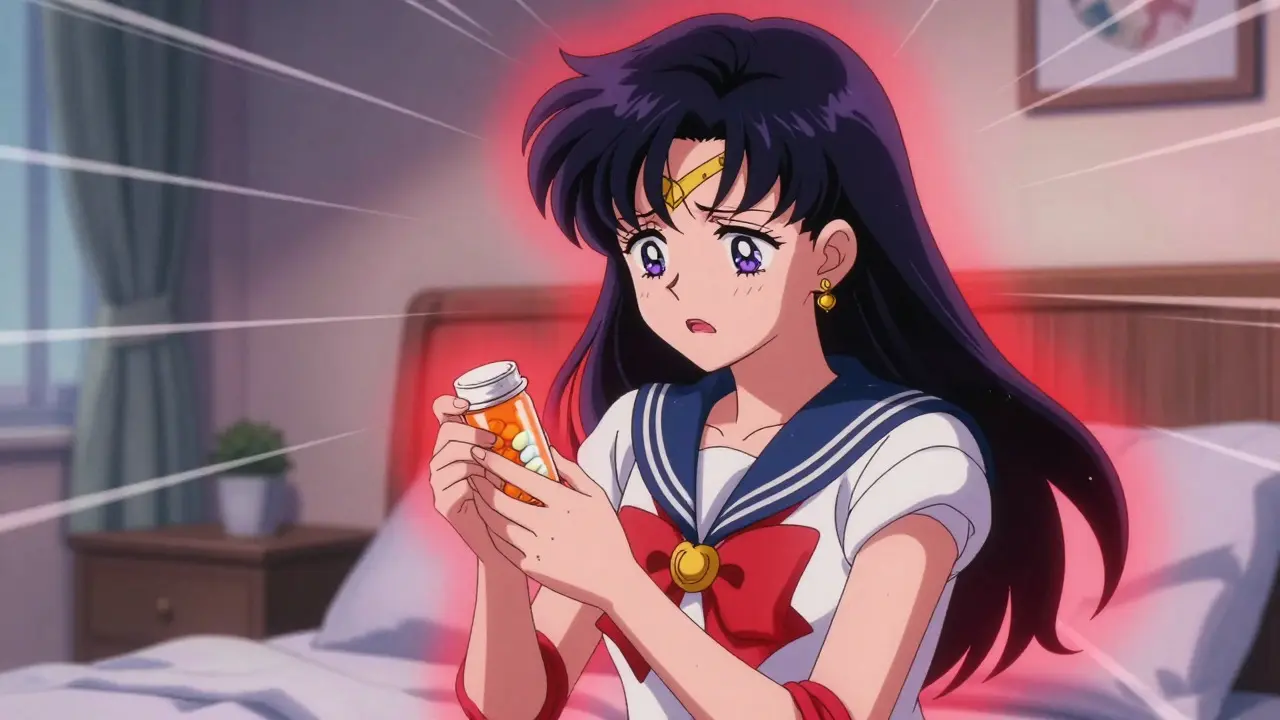
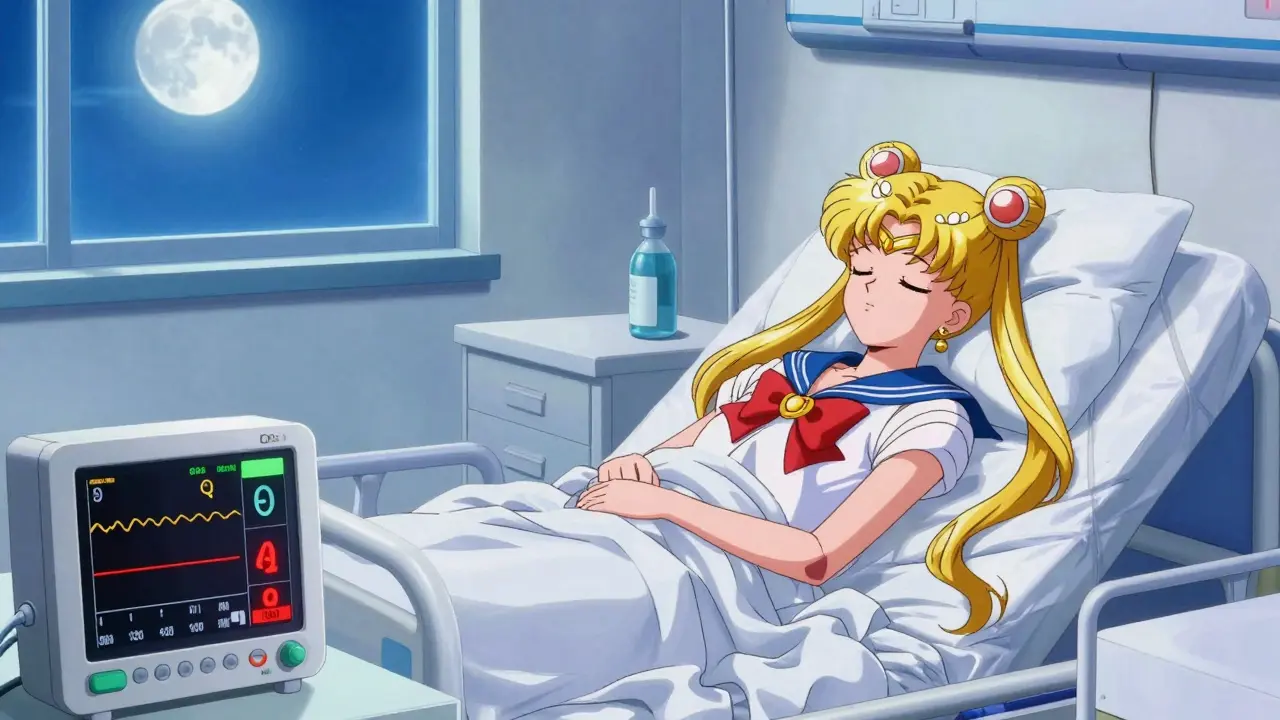
Medication-Related Liver Damage: Warning Signs and Emergency Actions
Learn the warning signs of drug-induced liver injury (DILI), which medications are the highest risk, and exactly when you need to seek emergency medical help.
When exploring Health & Medicine, the broad field that studies human health, disease prevention, diagnosis, and therapeutic interventions, also known as Healthcare, you step into a world that connects biology, patient care, and public policy. Health & Medicine encompasses disease history, symptom tracking, and treatment strategies. It requires knowledge of pathogens, lifestyle factors, and medical technologies. Understanding how these pieces fit together helps you grasp why a disease outbreak matters, how a medication works, or what lifestyle change can lower risk.
One of the most common complaints we all face is headache, pain arising from vascular, muscular, or neurological triggers that can signal tension, migraine, cluster, or sinus issues. Recognizing the type guides effective relief. Another pivotal subject is syphilis, a sexually transmitted infection caused by the bacterium Treponema pallidum, known for its historic impact and modern penicillin treatment. Its history teaches us about public‑health responses and the importance of early diagnosis. smoking, the inhalation of tobacco smoke that introduces harmful chemicals into the body, raising risks for cancers, cardiovascular disease, and vision problems, directly influences eye health and overall disease burden. Finally, organ transplantation, the surgical transfer of a healthy organ to a recipient, brings challenges like organ rejection that shape long‑term patient care. These entities intersect: smoking can worsen transplant outcomes, while headaches may signal medication side effects in transplant patients.
Below you’ll find a curated collection of easy‑to‑read guides covering everything from the timeline of syphilis outbreaks to practical tips for managing Prasugrel‑induced heartburn, from blood clotting test basics to how smoking harms your vision. Each article breaks down complex science into plain language, offers actionable steps, and highlights what to discuss with your healthcare provider. Dive in to boost your knowledge, spot warning signs early, and make informed health decisions.
Learn the warning signs of drug-induced liver injury (DILI), which medications are the highest risk, and exactly when you need to seek emergency medical help.
Learn how to prepare for a medication review appointment to ensure your prescriptions are safe and effective. Tips on making lists and avoiding prescription blocks.
Discover why combining Echinacea with immunosuppressants can be dangerous. Learn about the conflicting immune effects and risks for transplant and autoimmune patients.
Struggling with gritty, irritated eyes? Learn the difference between tear deficiency and evaporation, and how to choose the right artificial tears for relief.
Explore the genetics of red-green color blindness, from X-linked inheritance to the difference between protanopia and deuteranomaly, and the latest adaptive tools.
Mixing energy drinks with ADHD meds spikes your blood pressure. We break down the real heart risks, safe caffeine limits, and symptoms to watch for.
Understanding when to avoid a medication family after a severe drug reaction requires analyzing the mechanism of the reaction. Learn the difference between allergies, side effects, and severe syndromes.
A practical guide to building a medication safety system at home that prevents errors, reduces hospital visits, and works for complex regimens. Learn what tools actually help-and what to avoid.
Autoimmune overlap syndromes occur when patients show symptoms of multiple autoimmune diseases at once, like lupus, scleroderma, and myositis. Diagnosis is slow, treatment is complex, and care coordination is critical to prevent complications and improve outcomes.
Medication shortages are worsening, with 287 drugs in short supply in 2022. Learn how hospitals manage when life-saving drugs vanish, why it's happening, and what patients and providers can do.
NT-proBNP blood testing is a critical tool for ruling out heart failure in patients with shortness of breath. Learn when to order it, how to interpret results by age and comorbidity, and what new guidelines mean for clinical practice in 2025.
Subclinical hypothyroidism means elevated TSH with normal thyroid hormone levels. Should you treat it? The answer depends on your age, antibody status, and TSH level. Learn when treatment helps - and when it doesn't.