
Diabetes Medication Interaction Checker
Mechanism:
Managing Type 2 diabetes is a chronic metabolic condition characterized by high blood sugar levels due to insulin resistance or insufficient insulin production often feels like walking a tightrope. You take your morning pill, adjust your insulin dose, and try to keep your diet in check. But what happens when you add another medication to the mix? Maybe it’s an antibiotic for a sinus infection, a steroid cream for eczema, or even a new heart health supplement. These additions can silently disrupt your glucose control, leading to dangerous spikes or crashes.
The stakes are higher than just feeling shaky or tired. Severe hypoglycemia is a condition where blood sugar drops below 70 mg/dL, potentially causing confusion, seizures, or loss of consciousness can be life-threatening, especially for older adults. On the flip side, uncontrolled hyperglycemia strains your kidneys and nerves. The American Diabetes Association (ADA) 2025 Standards of Care highlights that understanding these interactions is not optional-it’s critical for survival and quality of life. This guide breaks down the specific drug combinations you need to watch out for, why they happen, and how to stay safe.
The Hidden Mechanisms Behind Dangerous Interactions
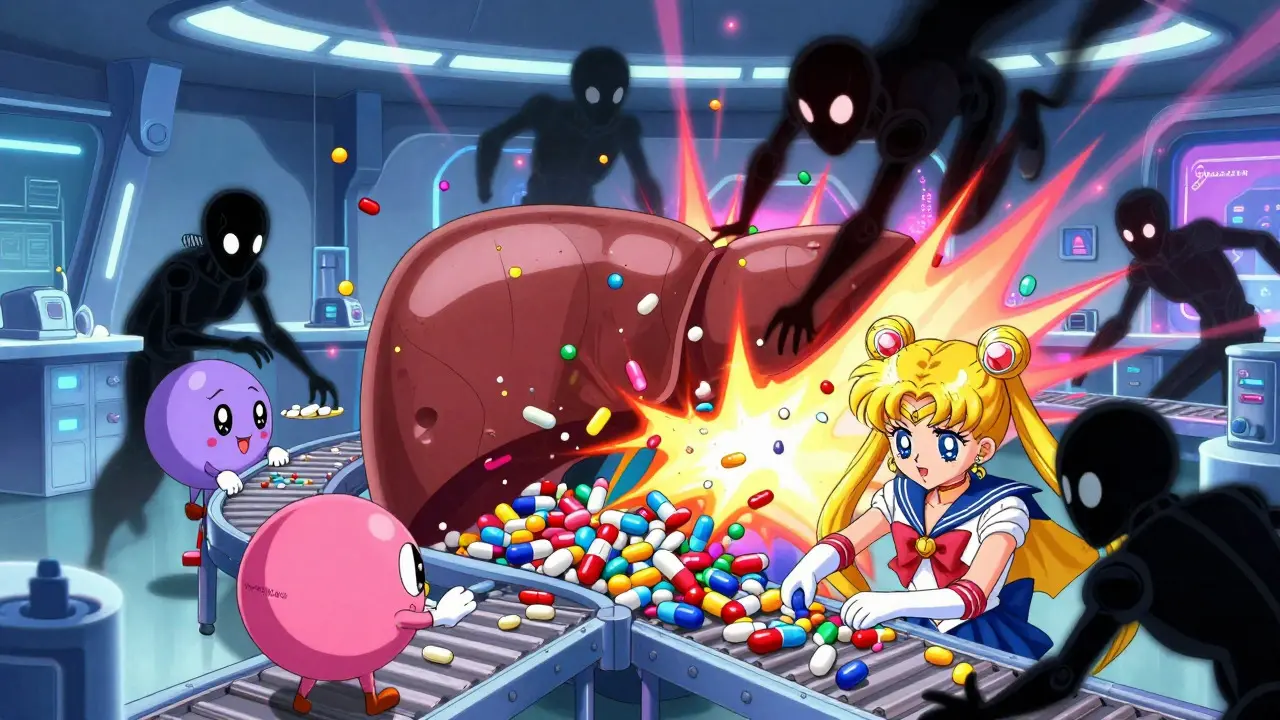
To understand which drugs clash, you first need to know how your body processes them. Most diabetes medications rely on liver enzymes to break down. Two major enzyme families are involved here: CYP3A4 and CYP2C8/CYP2C9. Think of these enzymes as the factory workers dismantling the drug so your body can use it safely. If another medication blocks these workers, the diabetes drug builds up in your system, causing overdose effects like severe low blood sugar.
For example, Sulfonylureas are a class of oral diabetes medications that stimulate the pancreas to release more insulin, including glipizide, glyburide, and glimepiride are heavily dependent on these pathways. If you take a sulfonylurea alongside a strong CYP inhibitor, such as certain antifungal medications or antibiotics, the breakdown process slows down drastically. Your blood sugar plummets because there is too much active drug circulating. Conversely, if a drug speeds up these enzymes, your diabetes medicine might wear off too quickly, leaving you with high blood sugar despite taking your pills.
Kidney function plays an equally vital role. Many people with diabetes develop some degree of kidney impairment over time. Metformin is the most commonly prescribed first-line medication for type 2 diabetes, working by decreasing glucose production in the liver and improving insulin sensitivity is cleared through the kidneys. If you take other medications that stress the kidneys or reduce blood flow to them, metformin can accumulate. While rare, this accumulation increases the risk of lactic acidosis, a serious buildup of lactic acid in the bloodstream. Always ensure your healthcare provider checks your eGFR (estimated glomerular filtration rate) before combining renal-clearing drugs.
High-Risk Combinations to Avoid or Monitor Closely
Not all interactions are created equal. Some combinations are outright discouraged by current guidelines, while others require strict monitoring. Here are the most common scenarios where things go wrong.
- Insulin and Rosiglitazone: This combination poses a significant risk for fluid retention and heart failure. Rosiglitazone, a thiazolidinedione, causes the body to hold onto water. When combined with insulin, which also promotes sodium and water retention, the strain on the heart increases. If you have a history of heart disease, this pair is generally avoided.
- Meglitinides and Azole Antifungals: Meglitinides like repaglinide and nateglinide work quickly to lower blood sugar after meals. However, they are metabolized by CYP3A4 and CYP2C9. Strong inhibitors like ketoconazole or fluconazole (common antifungals) can cause repaglinide levels to skyrocket, leading to sudden, severe hypoglycemia. Doctors often recommend switching to a different antifungal or adjusting the meglitinide dose significantly.
- Corticosteroids and Any Insulin Secretagogue: Steroids like prednisone are powerful anti-inflammatories, but they raise blood sugar dramatically by increasing insulin resistance. If you are on insulin or sulfonylureas, starting a steroid course can make your usual doses ineffective. You will likely need temporary dose increases under medical supervision, followed by a careful taper back down.
- Quinine and Sulfonylureas: Quinine, sometimes used for leg cramps or malaria, inhibits the metabolism of sulfonylureas. This interaction is well-documented and can lead to prolonged low blood sugar episodes. It is safer to avoid quinine if possible or switch to a non-sulfonylurea diabetes regimen temporarily.
Somatostatin analogues, used for conditions like acromegaly, present a unique puzzle. They can suppress both insulin and glucagon secretion. Depending on which hormone dominates at any given moment, they can cause either hypoglycemia or hyperglycemia. This unpredictability requires frequent glucose testing when introduced to a diabetes treatment plan.
| Diabetes Medication Class | Interacting Drug/Class | Effect on Blood Sugar | Mechanism/Risk |
|---|---|---|---|
| Sulfonylureas (e.g., Glipizide) | Azole Antifungals (Ketoconazole) | Hypoglycemia (Low) | CYP3A4 inhibition prevents drug breakdown |
| Repaglinide | Clarithromycin (Antibiotic) | Hypoglycemia (Low) | CYP3A4 inhibition leads to drug accumulation |
| Insulin | Prednisone (Steroid) | Hyperglycemia (High) | Increased insulin resistance and glucose production |
| Rosiglitazone | Insulin | Fluid Retention/Heart Failure Risk | Additive effect on sodium/water retention |
| Metformin | Contrast Dye (Iodinated) | Lactic Acidosis Risk | Temporary kidney impairment reduces clearance |
Why Newer Agents Are Safer Partners
If you feel overwhelmed by the list of risky combinations, there is good news. The landscape of diabetes care has shifted toward newer classes of medications that interact less with other drugs. GLP-1 Receptor Agonists are injectable medications like semaglutide and liraglutide that mimic incretin hormones to stimulate insulin release, slow digestion, and promote satiety and SGLT-2 Inhibitors are oral medications like empagliflozin and dapagliflozin that help the kidneys remove excess sugar from the body through urine have revolutionized treatment precisely because of their favorable interaction profiles.
GLP-1 RAs do not rely heavily on the CYP enzyme system for metabolism. Instead, they are broken down by proteolysis (protein breakdown), which is a more universal and less prone-to-interference process. This means you can take them alongside most antibiotics, painkillers, and heart medications without worrying about drastic changes in drug levels. Furthermore, they carry a very low risk of hypoglycemia when used alone or with non-insulin therapies.
SGLT-2 inhibitors work entirely outside the liver and pancreas. By targeting the kidneys directly, they bypass the complex enzymatic pathways that cause so many traditional drug clashes. Their main side effects-genital yeast infections and dehydration-are manageable and unrelated to typical drug-drug interactions. Because of this safety profile, the ADA 2025 guidelines prioritize adding GLP-1 RAs or SGLT-2 inhibitors early in the treatment journey, often before resorting to insulin or sulfonylureas.
However, "safer" doesn't mean "risk-free." One major rule enforced by the ADA is avoiding the combination of DPP-4 inhibitors (like sitagliptin) and GLP-1 RAs. Both drugs target the same incretin pathway. Taking them together offers no additional benefit but increases cost and potential side effects. It is considered redundant therapy.
Practical Steps to Manage Your Medication Safety
Knowing the theory is one thing; applying it in daily life is another. How do you protect yourself when you visit the doctor for an unrelated issue? Here is a practical checklist to follow.
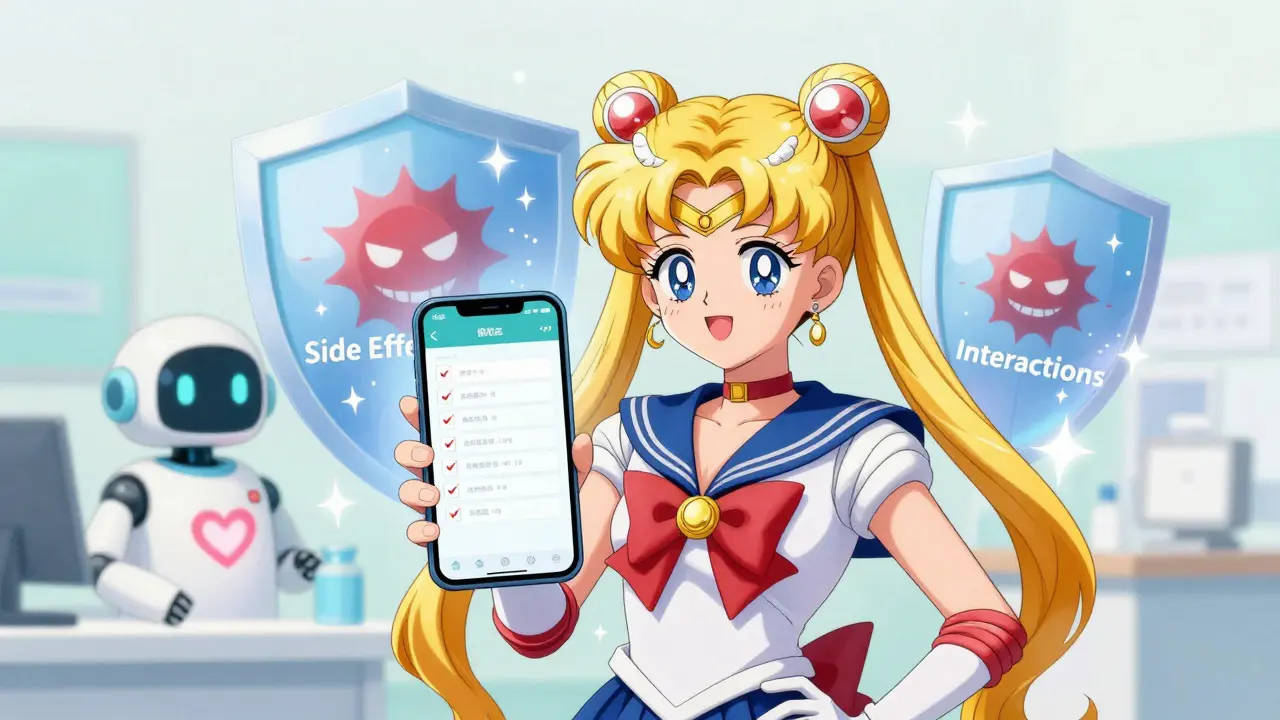
- Carry a Current Medication List: Keep an updated list of all prescription drugs, over-the-counter medications, vitamins, and supplements in your wallet or phone. Include dosages. Show this to every specialist you see, not just your primary care physician.
- Ask About OTC Drugs: Don’t assume ibuprofen or cold medicines are harmless. NSAIDs (non-steroidal anti-inflammatory drugs) can affect kidney function, which impacts metformin safety. Decongestants containing pseudoephedrine can raise blood pressure and slightly elevate blood sugar.
- Monitor More Frequently During Changes: If you start a new medication, even a short course of antibiotics, check your blood glucose more often. For those on insulin, this might mean checking before every meal and at bedtime for the duration of the new drug plus two days after stopping it.
- Communicate Side Effects Immediately: If you experience unexpected sweating, shakiness, confusion, or extreme thirst after starting a new drug, contact your healthcare provider. Do not wait for your next scheduled appointment.
- Review Annually: Schedule a dedicated "medication reconciliation" appointment once a year. Go through every single pill you take with your pharmacist or doctor to assess necessity and interactions.
Technology can also help. Many pharmacy apps now flag potential interactions when you input your full regimen. Use these tools as a secondary check, but always verify concerns with a human professional.
The Role of Lifestyle in Mitigating Risks
While drugs interact chemically, lifestyle factors influence how your body responds to these chemical changes. A consistent carbohydrate intake helps stabilize blood sugar, making it easier to detect if a drug interaction is causing a spike or drop. If your carb intake varies wildly day-to-day, it becomes nearly impossible to distinguish between dietary effects and medication interactions.
Physical activity also alters drug kinetics. Exercise increases insulin sensitivity, which can amplify the effect of insulin secretagogues like sulfonylureas. If you suddenly increase your exercise intensity while on these drugs, you might experience hypoglycemia even without changing your medication dose. Adjusting food intake around workouts is essential, but discussing exercise plans with your endocrinologist ensures your medication regimen supports your activity level.
Hydration is particularly important for those on SGLT-2 inhibitors. Since these drugs pull water into the urine, staying hydrated prevents dehydration-related kidney stress, which could theoretically impact the clearance of other medications. Aim for adequate water intake throughout the day, especially in hot weather or during illness.
When to Seek Emergency Care
Most interactions can be managed with monitoring and dose adjustments. However, some signs indicate a medical emergency. Call emergency services if you or someone else experiences:
- Unresponsiveness or inability to wake up
- Seizures
- Slurred speech or facial drooping (signs of stroke, which can be triggered by extreme blood sugar swings)
- Difficulty breathing or chest pain
- Persistent vomiting preventing oral medication or food intake
For mild to moderate hypoglycemia (blood sugar between 54-70 mg/dL), the "15-15 Rule" applies: consume 15 grams of fast-acting carbs (like 4 ounces of juice), wait 15 minutes, and retest. If still low, repeat. If the person is unconscious, do not force food; administer glucagon if available and call for help.
Can I take herbal supplements with my diabetes medication?
Many herbal supplements interact with diabetes drugs. For instance, cinnamon may enhance insulin sensitivity, potentially causing hypoglycemia when combined with sulfonylureas. Garlic and ginseng can also lower blood sugar. Always disclose supplement use to your doctor, as "natural" does not mean "interaction-free."
Why does the ADA prohibit combining DPP-4 inhibitors and GLP-1 RAs?
Both drug classes target the incretin system. DPP-4 inhibitors prevent the breakdown of natural GLP-1, while GLP-1 RAs mimic GLP-1 directly. Using both provides redundant mechanisms with no added glycemic benefit, increasing costs and potential gastrointestinal side effects without improving outcomes.
How long should I monitor my blood sugar after starting a new medication?
Generally, monitor closely for the first two weeks of starting a new drug, and for three days after stopping it. If the new medication affects liver enzymes or kidney function, extended monitoring may be necessary. Follow your healthcare provider's specific instructions based on the drug's half-life and mechanism.
Are SGLT-2 inhibitors safe to take with diuretics?
Combining SGLT-2 inhibitors with diuretics (water pills) increases the risk of dehydration and low blood pressure. While often prescribed together for heart failure patients, this combination requires careful hydration monitoring and blood pressure checks. Dose adjustments of the diuretic may be needed.
What should I do if I miss a dose of my diabetes medication while on interacting drugs?
Do not double up on missed doses unless instructed by your doctor. Check your blood sugar immediately. If you are on insulin or sulfonylureas, a missed dose might lead to hyperglycemia, but taking it late could cause a crash later if food timing is off. Contact your pharmacist for specific guidance based on your regimen.