Energy Drinks and Stimulant Medications: Blood Pressure and Heart Risks Explained
Mixing energy drinks with ADHD meds spikes your blood pressure. We break down the real heart risks, safe caffeine limits, and symptoms to watch for.
Understanding when to avoid a medication family after a severe drug reaction requires analyzing the mechanism of the reaction. Learn the difference between allergies, side effects, and severe syndromes.
A practical guide to building a medication safety system at home that prevents errors, reduces hospital visits, and works for complex regimens. Learn what tools actually help-and what to avoid.
Autoimmune overlap syndromes occur when patients show symptoms of multiple autoimmune diseases at once, like lupus, scleroderma, and myositis. Diagnosis is slow, treatment is complex, and care coordination is critical to prevent complications and improve outcomes.
Medication shortages are worsening, with 287 drugs in short supply in 2022. Learn how hospitals manage when life-saving drugs vanish, why it's happening, and what patients and providers can do.
NT-proBNP blood testing is a critical tool for ruling out heart failure in patients with shortness of breath. Learn when to order it, how to interpret results by age and comorbidity, and what new guidelines mean for clinical practice in 2025.
Subclinical hypothyroidism means elevated TSH with normal thyroid hormone levels. Should you treat it? The answer depends on your age, antibody status, and TSH level. Learn when treatment helps - and when it doesn't.
Warfarin users need consistent vitamin K intake-not low intake. Eating the same amount of greens daily keeps INR stable. Avoid sudden changes in spinach, kale, or broccoli. Consistency beats restriction.
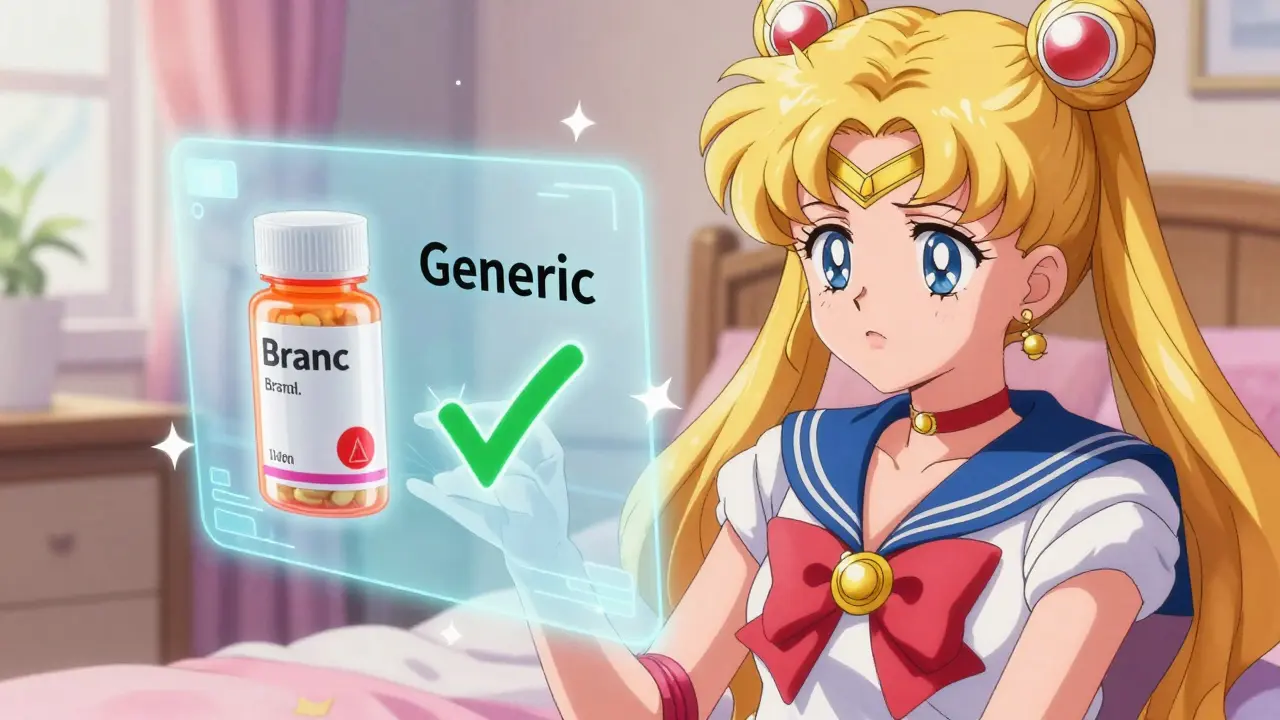
Online reviews are shaping how patients view generic medications-even when science says they’re identical to brand-name drugs. This article explores how patient experiences, both positive and negative, impact adherence, trust, and health outcomes.
Palliative and hospice care focus on comfort, not cure. Learn how to balance pain relief with side effects like drowsiness and confusion-so patients can live well until the end.
Learn how to stay updated on global medication safety news through official channels like WHO, UMC, and the Yellow Card scheme. Discover tools, reporting systems, and real-world strategies to protect yourself and others from adverse drug reactions.
Mandatory and permissive substitution laws determine whether pharmacists must or can choose to swap brand-name drugs for cheaper generics. These state-level rules affect drug costs, patient adherence, and healthcare savings - with major differences across the U.S.