Generic Drug Prices Over Time: Year-by-Year Changes and What’s Really Happening
Generic drugs save billions but face wild price swings. Learn why some cost 10x more year to year, who's behind the hikes, and how to pay less right now.
When your prescription suddenly costs more, it’s not just you—it’s price changes, the unpredictable shifts in what patients pay for medications, driven by market forces, insurance rules, and corporate decisions. These changes aren’t random; they’re shaped by how drugs are made, who controls distribution, and what insurers are willing to cover. You might see a $200 pill drop to $10 after a generic hits the market—or a $10 drug spike to $80 because your insurer changed its formulary. It’s confusing, frustrating, and often feels unfair. But understanding the system helps you fight back.
generic drugs, lower-cost versions of brand-name medications that contain the same active ingredients and meet FDA standards for safety and effectiveness. Also known as generic medication, they’re the main tool for lowering drug costs—but their availability doesn’t always mean lower prices. Sometimes, when only one generic maker enters the market, prices stay high. Other times, when multiple companies compete, prices crash. This is why drug pricing, the complex system of manufacturer list prices, pharmacy benefit manager discounts, and insurer negotiations that determine what you actually pay at the counter feels like a black box. And when insurers use step therapy, a policy that forces patients to try cheaper drugs first, even if their doctor prescribed something else, you might wait weeks just to get the medicine you need.
These aren’t isolated issues. Price changes connect directly to how pharmacies substitute medications, how insurers build their formularies, and how companies delay generics through legal loopholes. A drug that costs $500 today might be $20 next year—if a generic gets approved and no one blocks it. But if a brand-name company pays a generic maker to delay launch (a "pay-for-delay" deal), your bill stays high. That’s why some of the most important stories about drug costs aren’t about research or science—they’re about competition, regulation, and who wins when prices rise.
You’re not powerless. Knowing how step therapy works lets you request exceptions. Understanding how generics enter the market helps you ask your pharmacist if a cheaper version is available. Recognizing that price changes often follow insurance rule shifts means you can check your formulary before filling a script. The posts below break down exactly how these systems work, who controls them, and what real people are doing to save money and get the meds they need—without waiting or guessing.
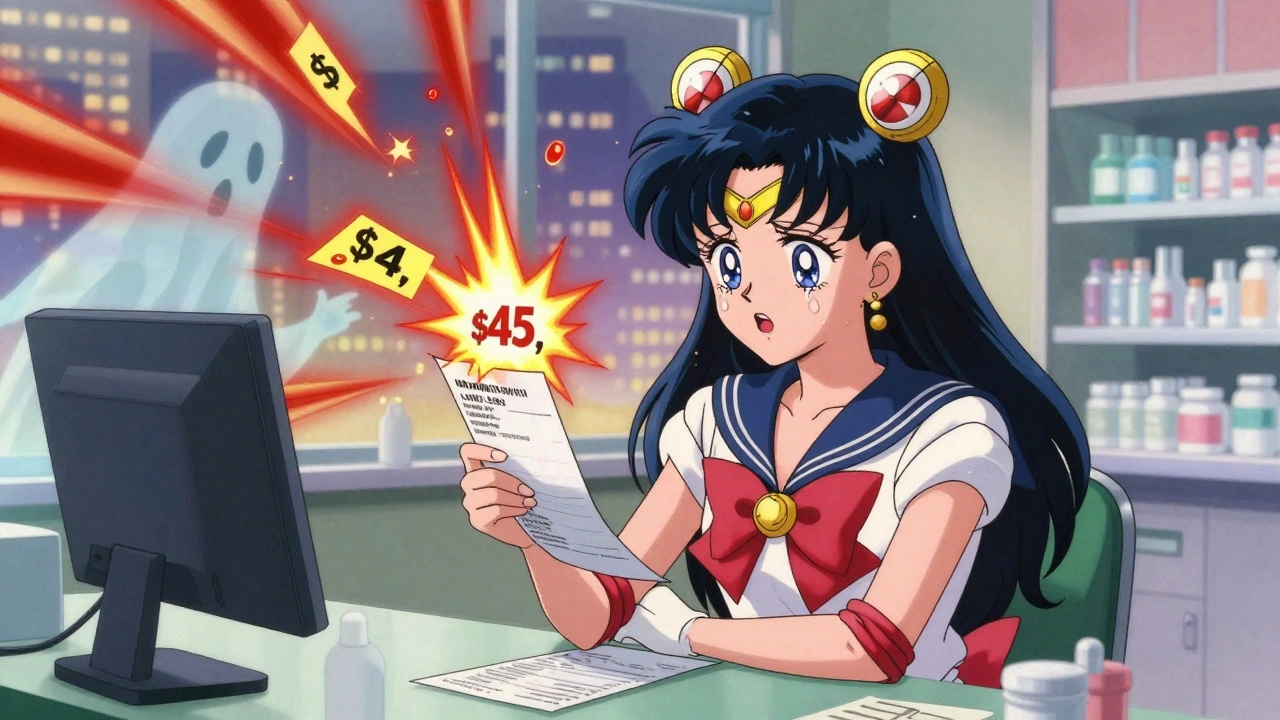
Generic drugs save billions but face wild price swings. Learn why some cost 10x more year to year, who's behind the hikes, and how to pay less right now.