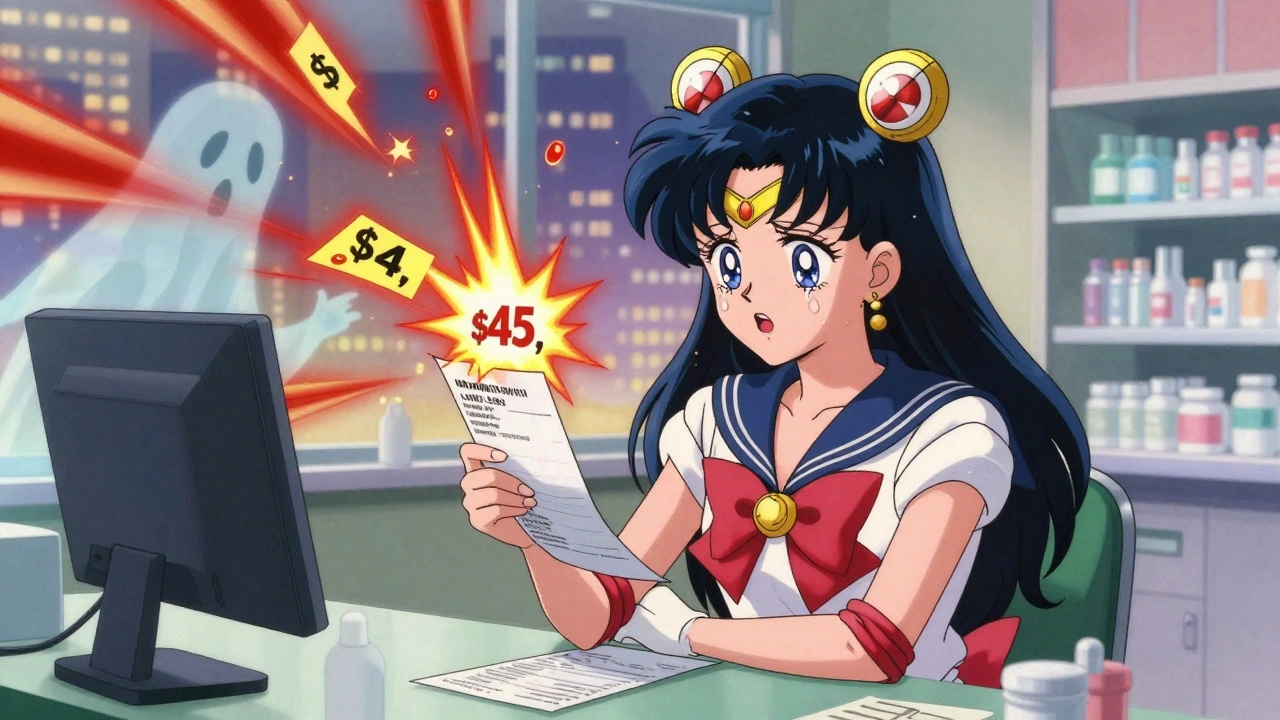
When you pick up a generic prescription, you expect it to be cheaper than the brand-name version. And for the most part, it is. But what you don’t see is how wildly those prices can swing from one year to the next. One year, your $4 lisinopril pill stays the same. The next, it’s $45. No warning. No explanation. Just a higher bill at the counter.
Generic drugs make up 90% of all prescriptions filled in the U.S. But they only account for 23% of total drug spending. That sounds like a win-until you realize that a small number of generics are driving up costs faster than ever. Between 2022 and 2023, about 40 generic drugs saw price hikes averaging 39%. Some jumped over 100%. Others, like levothyroxine, dropped 87% over five years. The same drug, same active ingredient, same pill-but the price? A rollercoaster.
How Generic Drug Prices Drop-Then Spike
When a brand-name drug’s patent expires, the race is on. Companies rush to make copies. The first generic enters at about 90% of the brand’s price. The second drops it to 65%. By the time the third or fourth arrives, the price often falls to 15% or less. That’s how savings pile up. In 2017 alone, FDA approvals for new generics saved the system $8.8 billion in the first year.
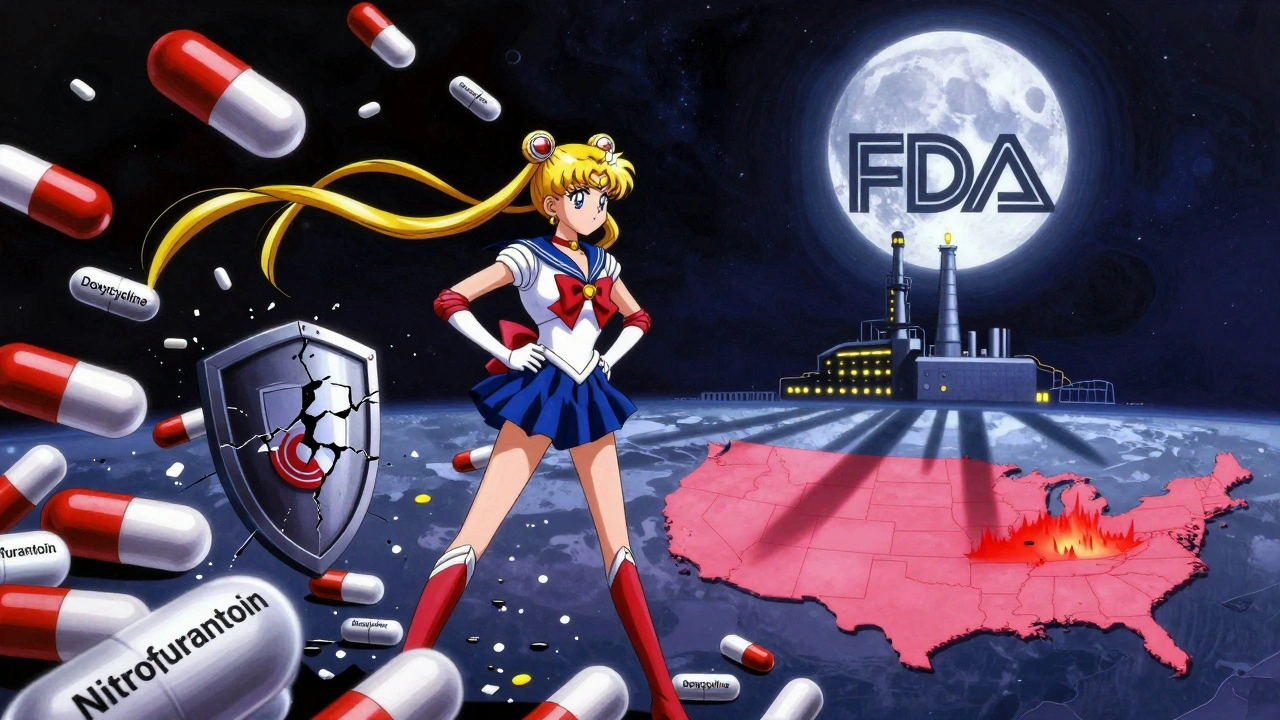
But here’s the catch: not all generics get that kind of competition. If only one or two companies make a drug, there’s no pressure to lower prices. In fact, if one of them leaves the market-due to low profit margins, quality issues, or shutdowns-the price can skyrocket. Between 2013 and 2018, the price of generic nitrofurantoin macrocrystals went up 1,272%. That’s not a mistake. That’s market failure.
Dr. Aaron Kesselheim’s research at Harvard found that 78% of generic price jumps over 100% happened in markets with three or fewer manufacturers. The FDA confirms this: when a drug has only one or two makers, prices become fragile. One factory shutdown, one regulatory delay, one company deciding it’s not worth the hassle-and the price jumps 200%, 500%, even 1,000%.
Year-by-Year Trends: The Numbers Don’t Lie
Looking at the data year by year reveals a pattern: most generic prices stay stable. About 60% of generics change less than 5% annually. Another 25% move between 5% and 20%. But the remaining 15%? They’re the problem. They’re the ones that cause spikes, shortages, and patient panic.
In 2022, generic drug list prices rose 5.2%. In 2023, they rose 4.9%. That sounds small-until you realize those numbers are averages. Behind them, dozens of drugs saw massive increases. Medicaid data from 2021 showed 8.2% of generic prescriptions had price surges between 100% and 500% in just one year. And it’s not just old drugs. Even newer generics like apixaban (the generic version of Eliquis) are costing patients more because they’re used so often.
Meanwhile, brand-name drug prices rose about 5% each year from 2019 to 2023. Generic prices, on average, are still falling over time. But the volatility is growing. The Congressional Budget Office found that while generics save billions overall, the 10% of generics with the wildest price swings account for 60% of the spending growth in the generic market.
Why Do Prices Jump So Suddenly?
It’s not just about competition. It’s about supply chains.
Most generic drugs are made overseas. In 2023, the FDA found quality issues in 23% of foreign manufacturing facilities. When a plant fails inspection, production stops. No pills. No supply. Pharmacies run out. Prices spike. In 2022, the HHS Office of Inspector General found that 35% of generic drug shortages were linked to price increases over 50%. The average shortage lasted over six months.
Another factor: the Medicaid Best Price rule. It forces manufacturers to offer the same low price to Medicaid as they do to any other buyer. That means if a company lowers its price for Medicaid, it has to lower it for everyone-even private insurers and cash-paying patients. So, some companies avoid lowering prices at all. Others exit the market entirely when margins get too thin.
And then there’s the Average Wholesale Price (AWP) system. Pharmacies use it to set reimbursement rates. But AWP is often 22% higher than what pharmacies actually pay. That gap makes it hard for small pharmacies to stay profitable. One month, a generic drug is profitable. The next, it’s a loss leader. Many independent pharmacies say they’ve had to absorb price increases on 20% of their generic inventory, losing an average of $3.75 per prescription.
Who Gets Hurt the Most?
Patients. Especially seniors on Medicare.
KFF’s 2024 survey found that 37% of Medicare beneficiaries taking generics reported skipping doses or cutting pills because of cost. That’s not a small number. That’s nearly four in ten people choosing between their health and their budget.
One Reddit user, u/PharmaPatient123, posted in June 2024 that their generic lisinopril went from $4 to $45 at Walmart in 18 months. GoodRx data backs it up: that same drug jumped 247% between January 2022 and December 2023. That’s not inflation. That’s market manipulation.
Even people with insurance aren’t safe. Some plans have high copays for certain generics. Others don’t cover them at all if they’re not on the formulary. And if the price jumps after your plan resets in January? You’re stuck paying the new, higher rate.
What’s Being Done-and What’s Not
The Inflation Reduction Act of 2022 didn’t target generics directly. It capped insulin at $35 and introduced inflation rebates for brand-name drugs. But for generics? Nothing. No price caps. No oversight. No penalties for sudden hikes.
The FTC is paying attention. As of June 2024, they have 12 active investigations into unjustified price increases in generic markets with few competitors. The FDA’s 2024 Strategic Plan includes faster approvals for drugs with only one or two manufacturers. That’s a start. But it takes time. And in the meantime, patients are still paying more.
Some states are stepping in. A few have passed laws requiring transparency in drug pricing. Others are creating bulk purchasing programs to stabilize costs. But without federal action, these efforts are patchwork solutions.
What You Can Do Right Now
Don’t just accept the price at the pharmacy counter.
Use GoodRx. In 2023, users saved an average of $112.50 per generic prescription. In 78% of cases, the GoodRx price was at least 50% lower than the pharmacy’s cash price. It’s free. It’s instant. And it works.
Ask your pharmacist if there’s a different manufacturer. Sometimes, the same drug from a different company costs half as much. It’s the same active ingredient, same dosage, same pill-just a different label.
Switch to mail-order or 90-day supplies. Many insurers offer lower copays for longer fills. And if your drug has a history of price spikes, stock up when it’s cheap-within your plan’s limits.
Speak up. If your price jumped suddenly, call your insurer. Ask why. Report it to your state’s attorney general. The more people complain, the harder it becomes for companies to get away with it.
The Big Picture
Generic drugs are supposed to be the backbone of affordable care. They’re not a bonus. They’re essential. But the system is broken. Too many drugs are made by too few companies. Too many factories are overseas. Too many prices are controlled by market manipulation, not competition.
Yes, generics still save the U.S. healthcare system over $250 billion a year. But that number hides the pain of the people who can’t afford their pills. The year-by-year changes aren’t random. They’re predictable-if you know where to look. And if you’re paying for them, you deserve to know why.
Why do generic drug prices change so much from year to year?
Generic drug prices change because of competition-or lack of it. When multiple companies make the same drug, prices drop. But if only one or two manufacturers exist, they can raise prices without fear of losing customers. Supply chain issues, factory shutdowns, and regulatory delays also cause sudden spikes. About 15% of generics experience major price swings over 20% annually, while the rest stay stable.
Are generic drugs always cheaper than brand-name drugs?
Yes, but not always by much. On average, generics cost 80-85% less than brand-name versions. But in markets with little competition, a generic can still cost 50-90% of the brand’s price. And if the brand drug drops its price to compete, the generic may not follow-leading to confusing and sometimes higher out-of-pocket costs for patients.
Which generic drugs have had the biggest price increases?
Some of the biggest spikes happened with older, low-cost drugs like nitrofurantoin (up 1,272%), cyclosporine (up 700%), and doxycycline (up 2,000% in some cases). These are often drugs with few manufacturers, used for chronic conditions. Even common drugs like lisinopril, levothyroxine, and metformin have seen sharp increases in recent years due to supply chain issues and market consolidation.
How can I find the lowest price for my generic medication?
Use free tools like GoodRx, SingleCare, or RxSaver. Compare prices at nearby pharmacies-sometimes the same drug costs $5 at one store and $45 at another. Ask your pharmacist if a different manufacturer is available. Consider mail-order or 90-day supplies if your insurance offers discounts. And never pay cash without checking these tools first.
Why don’t insurance plans cover all generic drugs at the same price?
Insurance plans use formularies to decide which drugs they cover and at what cost. Even if two generics are identical, one may be on a lower tier because the manufacturer pays a rebate to the insurer. If the drug’s price changes, the rebate changes too-and so does your copay. That’s why your bill can jump even if your drug hasn’t changed.
Brian Perry
December 3, 2025 AT 19:59Josh Bilskemper
December 4, 2025 AT 06:10Storz Vonderheide
December 4, 2025 AT 08:06dan koz
December 6, 2025 AT 00:25Kevin Estrada
December 7, 2025 AT 16:36Katey Korzenietz
December 9, 2025 AT 05:10Ethan McIvor
December 10, 2025 AT 09:05Michael Bene
December 10, 2025 AT 18:25Chris Jahmil Ignacio
December 12, 2025 AT 17:08Pamela Mae Ibabao
December 13, 2025 AT 17:24Adrianna Alfano
December 14, 2025 AT 11:43May .
December 16, 2025 AT 01:24Sara Larson
December 16, 2025 AT 10:56