
When someone suddenly loses balance, slurs their words, or drops one arm while smiling, most people think it’s a stroke. But what if the symptoms vanish in 10 minutes? Many assume it’s nothing-just a passing dizzy spell. That’s when things get dangerous. A TIA isn’t a ‘mini-stroke.’ It’s a full-blown neurological emergency that screams: your next stroke is coming.
What Exactly Is a TIA?
A Transient Ischemic Attack, or TIA, happens when blood flow to part of the brain is blocked-just for a short time. No permanent damage shows up on an MRI. But that doesn’t mean it’s harmless. In fact, it’s the opposite. The brain tissue was starved of oxygen. If the blockage had lasted 10 more minutes, it would’ve killed cells. That’s a stroke. The old definition said TIA symptoms had to resolve within 24 hours. That’s outdated. Today, doctors use a different rule: if there’s no brain damage on a diffusion-weighted MRI, it’s a TIA. If there is damage-even tiny-it’s a minor stroke. About 35% of people who come in thinking they had a TIA are later found to have already suffered a small stroke. That means nearly 1 in 3 people who think they got off easy, didn’t.How Do You Tell a TIA From a Stroke?
Here’s the truth: you can’t tell them apart just by watching the symptoms. Both cause the same sudden problems:- One side of the face droops when smiling
- One arm drifts down when raised
- Speech is slurred or strange-can’t repeat a simple sentence
- Blurry or double vision in one or both eyes
- Sudden dizziness, loss of balance, or trouble walking
- Severe headache with no known cause
Why a TIA Is More Dangerous Than It Looks
A TIA isn’t a warning sign. It’s a rehearsal. The American Heart Association says one in five people who have a TIA will have a full stroke within 90 days. And the biggest risk? The first two days. Up to 5% will have a stroke within 48 hours. That’s higher than the risk after a heart attack. Studies show that 48% of people who had a TIA already have hidden brain damage detectable only with advanced MRI scans. That means their brain was injured-even if they feel fine. And the damage doesn’t stop there. People who’ve had a TIA are 10 times more likely to have a heart attack or stroke in the next year than someone who hasn’t. The numbers don’t lie: 240,000 to 500,000 TIAs happen every year in the U.S. Only 15 to 30% of people seek emergency care. The rest wait. Some go to their GP. Others just wait to see if it happens again. That’s how people end up paralyzed, unable to speak, or dead.What Happens When You Go to the ER
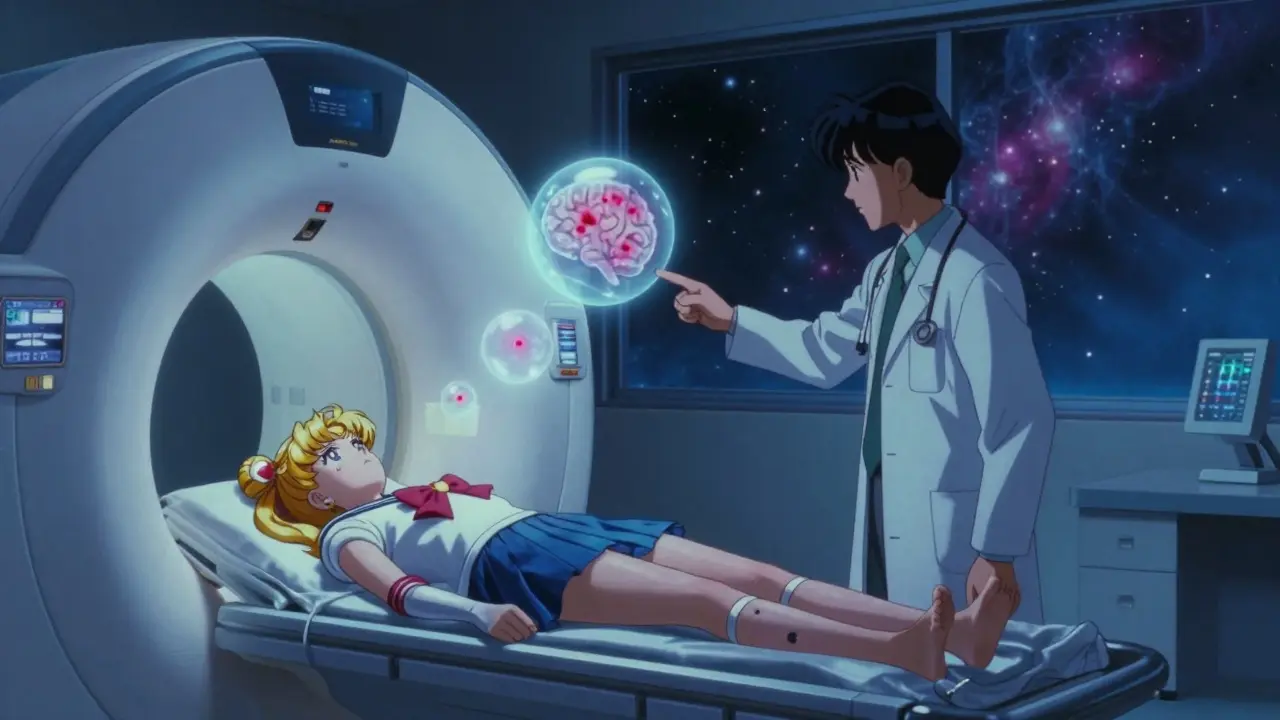
If you arrive at the hospital with stroke-like symptoms-even if they’re gone-you’ll be treated like a stroke patient. That’s because you might already be one. The first test is a non-contrast CT scan. That rules out bleeding in the brain. Then, you’ll get an MRI with diffusion-weighted imaging. This is the gold standard. It can spot brain damage within minutes of it happening. If the scan shows no injury, it’s a TIA. If it shows even a small spot of dead tissue, it’s a minor stroke. Either way, you’re in high-risk territory. Doctors use a tool called ABCD2 to guess your chance of having a stroke soon. It scores you on:- Age (60 or older = 1 point)
- Blood pressure (140/90 or higher = 1 point)
- Neurological symptoms (weakness on one side = 2 points; speech trouble without weakness = 1 point)
- How long symptoms lasted (60+ minutes = 2 points; 10-59 minutes = 1 point)
- Diabetes (yes = 1 point)
What Treatment Looks Like-And Why It’s Urgent
There’s no clot-busting drug like tPA for TIA. That’s because the blockage is already gone. But you still need urgent treatment to stop the next one. Within 24 hours, you’ll start:- Aspirin (325 mg)-cuts your next stroke risk by 60%
- Dual antiplatelet therapy-aspirin plus clopidogrel-for 21 to 30 days. This combo reduces stroke risk by 80% if started within 48 hours.
- High-intensity statin-atorvastatin 80 mg daily-to lower cholesterol and stabilize artery plaques.
- Blood pressure control-target under 140/90 mmHg.
What Happens If You Don’t Act
The cost of ignoring a TIA isn’t just medical. It’s personal. A single stroke can cost over $21,000 in hospital care, rehab, and long-term support. A TIA evaluation? Around $2,850. That’s a 700% difference. And the human cost? One study showed that people who waited more than 24 hours to get checked had a 10.3% chance of stroke within 90 days. Those who got treated the same day? Just 1.2%. The CDC found that 31% of TIA patients delay care because they think, “It went away.” That’s the biggest killer here. Not the TIA itself. The delay.What You Should Do Right Now
If you or someone you know has any of these symptoms-even if they’re gone-do this:- Call 911 immediately. Don’t wait. Don’t drive yourself. Don’t call your doctor’s office.
- Use BE FAST:
- Balance: sudden loss of balance or coordination
- Eyes: sudden vision changes
- Face: drooping on one side
- Arm: weakness or numbness on one side
- Speech: slurred or strange
- Time: call 911 now
- Don’t assume it’s nothing. Even if you feel fine now, your brain might be sending a distress signal.
- Follow up. Even if you’re sent home, you need a neurologist appointment within a week. You’ll need blood tests, heart monitoring, and imaging.
Common Myths-Busted
- Myth: “It was just a TIA, so I’m fine.” Truth: You’re at high risk for a real stroke. This is your last warning.
- Myth: “I don’t need to go to the hospital if it’s gone.” Truth: The moment symptoms disappear is when you need help the most.
- Myth: “Only older people get TIAs.” Truth: The average age is 69, but cases in people under 45 are rising fast, linked to obesity, diabetes, and smoking.
- Myth: “I’ll know if I’m having a stroke.” Truth: Many people dismiss early symptoms as fatigue, stress, or dehydration.
What’s Changing in 2026
Hospitals are now required to have TIA-specific pathways. The Joint Commission penalizes centers that don’t evaluate high-risk TIA patients within 24 hours. Medicare now fines hospitals if more than 20% of TIA patients have a stroke within 30 days. That’s forcing real change. Telemedicine TIA clinics are popping up in 68% of major hospitals. You can now get a neurologist consult via video within hours. AI tools are helping doctors spot hidden brain damage faster. And by next year, a simple blood test could tell you within minutes whether your brain was injured-even if you feel fine. This isn’t science fiction. It’s happening now.Can a TIA cause permanent damage?
Traditionally, yes-TIA was defined as having no lasting damage. But modern imaging shows that nearly half of people who have a TIA have small areas of brain injury that don’t cause obvious symptoms. These aren’t visible on a regular scan, but they can affect memory, balance, or thinking over time. So even if you feel fine, your brain may have been hurt.
Is a TIA the same as a mini-stroke?
No. Calling a TIA a ‘mini-stroke’ is misleading and dangerous. It suggests it’s minor or not serious. But a TIA is a full neurological event-just one that resolved before causing visible damage. The term downplays the risk. A TIA is a warning that a major stroke is likely coming. That’s why experts say: don’t call it a mini-stroke. Call it a medical emergency.
Do I need an MRI if my symptoms are gone?
Yes. A CT scan can’t detect the small injuries that happen in a TIA. Only an MRI with diffusion-weighted imaging can show if there’s brain damage. Even if you feel 100% better, you need this scan within 24 hours. It’s the only way to know if you’ve already had a minor stroke-or if you’re still at high risk.
Can I just take aspirin at home?
Aspirin can help-but only if you’re under medical supervision. Taking it alone without checking for bleeding risks, heart conditions, or other causes can be dangerous. You also need more than aspirin: blood pressure control, cholesterol meds, and sometimes dual antiplatelet therapy. These are not DIY treatments. You need a doctor to guide you.
How soon after a TIA should I see a doctor?
Right now. Not tomorrow. Not next week. The risk of stroke is highest in the first 48 hours. Hospitals with fast-track TIA programs get patients evaluated within 60 minutes. If you wait more than 24 hours, your stroke risk jumps dramatically. Calling 911 is the fastest way to get the right care.
Can lifestyle changes prevent a stroke after a TIA?
Yes-but not alone. Stopping smoking, eating less salt, exercising, and controlling blood sugar help. But they’re not enough. You still need medication: aspirin, statins, and possibly blood pressure drugs. Lifestyle changes work best when paired with medical treatment. Skipping meds because you’re ‘eating healthy’ is a dangerous mistake.
Ryan Barr
January 7, 2026 AT 07:45Cam Jane
January 7, 2026 AT 09:39Wesley Pereira
January 8, 2026 AT 12:18Isaac Jules
January 9, 2026 AT 05:25Amy Le
January 9, 2026 AT 11:53Susan Arlene
January 10, 2026 AT 16:12Katie Schoen
January 12, 2026 AT 16:12Tiffany Adjei - Opong
January 13, 2026 AT 22:43Kelly Beck
January 14, 2026 AT 22:26Molly McLane
January 15, 2026 AT 00:08Beth Templeton
January 15, 2026 AT 07:37Tom Swinton
January 15, 2026 AT 07:57Leonard Shit
January 16, 2026 AT 22:08Kiran Plaha
January 18, 2026 AT 08:35Matt Beck
January 18, 2026 AT 10:23