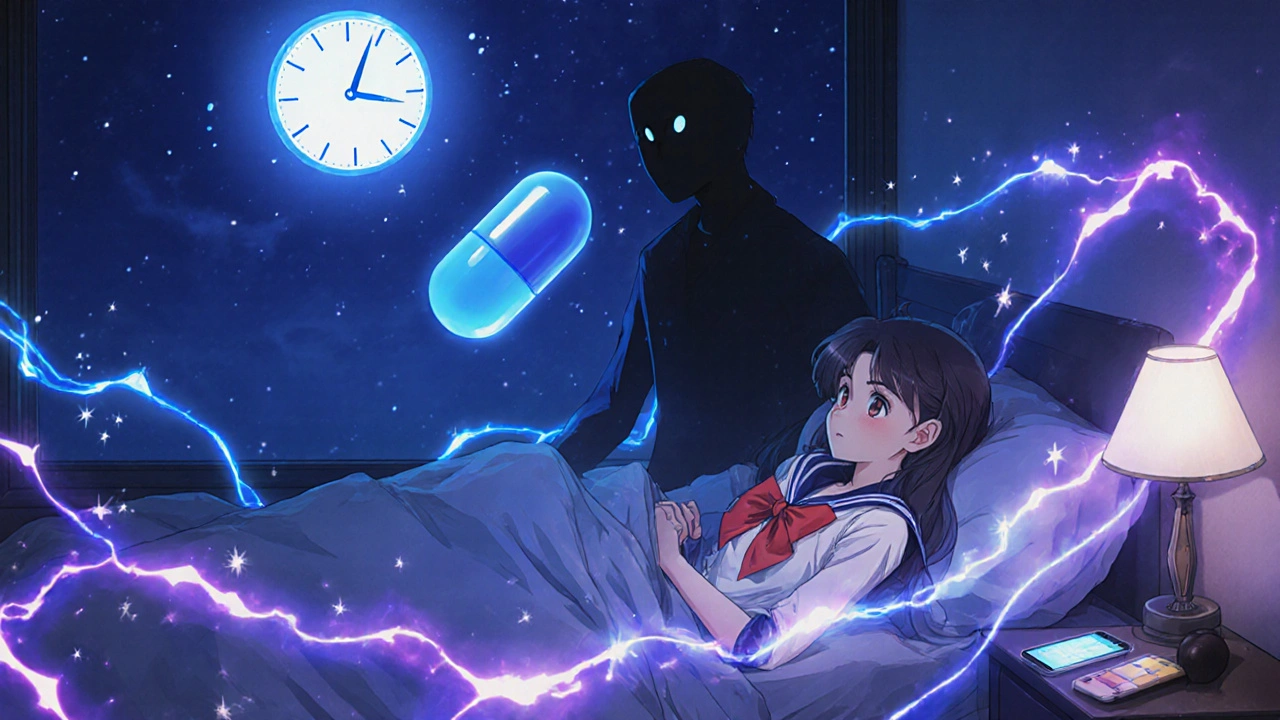
Sleep Disruption: Causes, Medications, and How to Regain Rest
When you can’t sleep, it’s rarely just about stress. Sleep disruption, a persistent inability to fall or stay asleep despite having the chance. Also known as insomnia, it’s not a standalone condition—it’s often a symptom tied to what you’re taking, what’s happening in your body, or both. Many people don’t realize that common prescriptions can be the real culprit. For example, methylprednisolone, a corticosteroid used for inflammation, is well-documented to cause insomnia by altering cortisol rhythms. Even a short course can flip your sleep schedule upside down. Similarly, SSRI withdrawal, the set of symptoms that follow stopping antidepressants like paroxetine, often includes severe sleep disturbances that last weeks after the last pill.
Sleep disruption doesn’t just come from steroids or antidepressants. It’s also linked to thyroid changes from drugs like fenofibrate, a lipid-lowering agent that can raise TSH levels, or from hormonal shifts caused by medications like paroxetine, an SSRI known for weight gain and metabolic effects that interfere with sleep quality. Even pain meds like opioids can mess with your breathing at night, leading to fragmented sleep. And if you’re on diuretics like furosemide, nighttime bathroom trips might be breaking your rest—not because you’re drinking too much, but because the timing of your dose doesn’t match your body’s rhythm.
What’s clear from real-world cases is that sleep disruption rarely has one cause. It’s usually a mix of medication timing, underlying health conditions, and how your body reacts to changes in chemistry. The good news? Once you identify the trigger, fixing it often means adjusting the dose, switching the timing, or swapping the drug entirely. Below, you’ll find real guides from people who’ve been there—from managing steroid-induced insomnia to understanding why antidepressant withdrawal keeps them awake, and how to spot when a seemingly harmless pill is quietly stealing your rest.