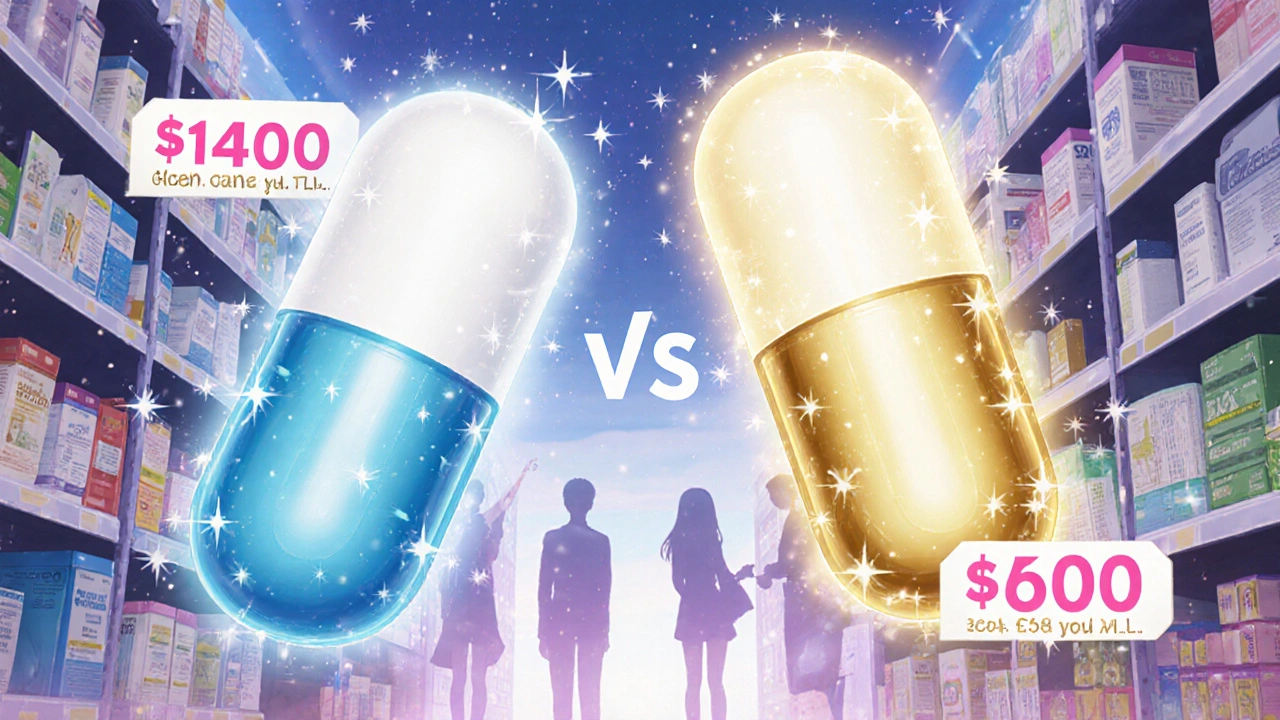
Brand Name Drugs: What They Are, How They Compare to Generics, and What You Need to Know
When you hear brand name drugs, the original medications developed and marketed by pharmaceutical companies under a patent-protected name. Also known as originator drugs, they’re the first version of a medicine to hit the market after years of research and clinical trials. These are the pills you see advertised on TV—like Cozaar, Rogaine, or Proscalpin—sold under a specific brand instead of the generic chemical name. But here’s the thing: once the patent runs out, any company can make the exact same drug and sell it for way less. That’s where generic drugs, chemically identical versions of brand name drugs sold after patent expiration come in. They’re not cheaper because they’re lower quality—they’re cheaper because the company didn’t spend $1 billion developing them.
The gap between brand name and generic prices isn’t just about marketing. It’s about patent exclusivity, the legal protection that lets the original maker be the only seller for a set time. That 180-day window for the first generic filer? It’s meant to speed up competition, but sometimes it’s used to delay cheaper options. And while generics have to prove they work the same way, many people still trust the brand name—even when there’s zero difference in the active ingredient. That’s why so many posts here talk about comparing Cozaar to valsartan, Rogaine to finasteride, or Proscalpin to other hair loss treatments. People want to know: is the extra cost worth it?
It’s not just about price. pharmaceuticals, medications developed, tested, and approved for medical use are a big business. Companies spend millions on ads, packaging, and loyalty programs to keep you buying the brand. But the science doesn’t care about the logo. A 2023 FDA review found that 99% of generic drugs perform the same as their brand name counterparts in real-world use. Still, side effects can feel different—not because the drug changes, but because fillers, coatings, or dosing timing vary slightly. That’s why some people swear by their brand name, even when their insurance pushes generics.
What you’ll find below is a collection of real, practical guides that cut through the noise. You’ll see how brand name drugs like Alpress or Rogaine stack up against cheaper alternatives. You’ll learn why the first generic filer gets a 180-day monopoly—and how that affects your wallet. You’ll read about drug interactions, safety, and how post-marketing surveillance catches problems that clinical trials miss. These aren’t theory pieces. They’re written for people who want to understand what’s in their medicine, why it costs what it does, and how to make smarter choices with their doctor.