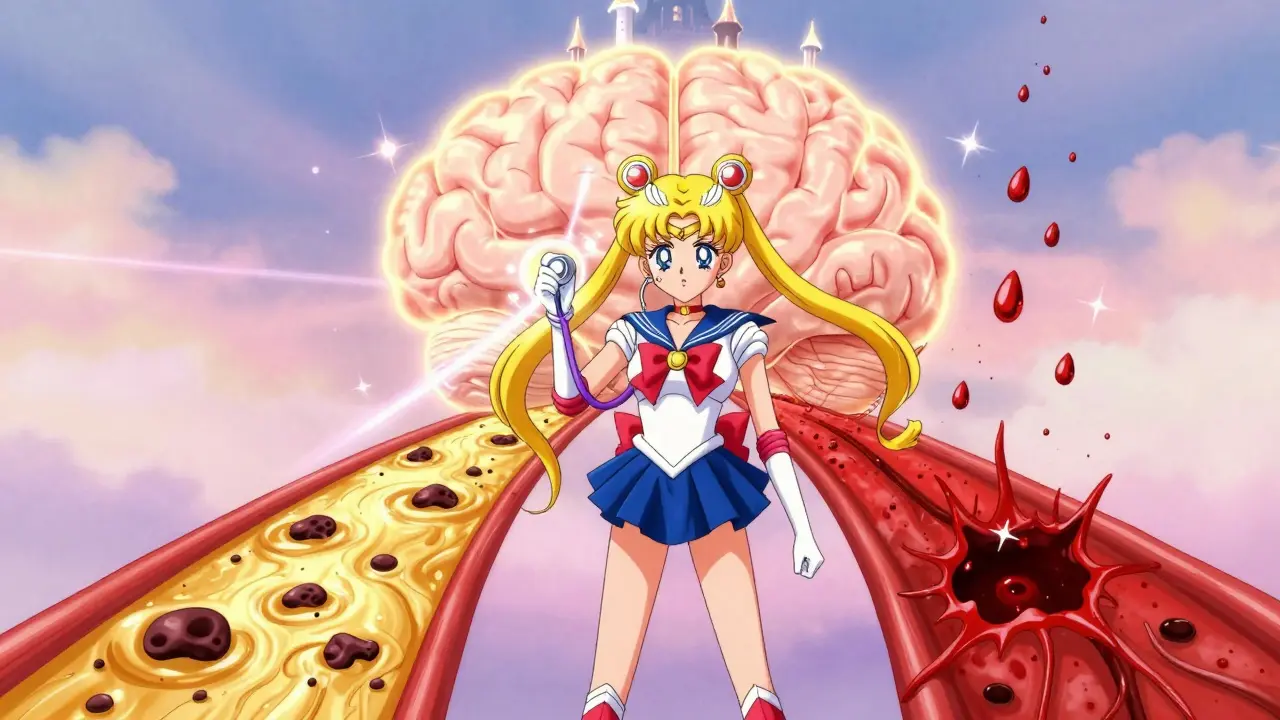
What Are the Two Main Types of Stroke?
Not all strokes are the same. In fact, the way they happen, how they hurt you, and how they’re treated depend entirely on whether they’re ischemic or hemorrhagic. About 87 out of every 100 strokes are ischemic. That means a clot blocks blood flow to part of your brain. The other 13 to 15 are hemorrhagic - a blood vessel bursts and bleeds into or around your brain. These aren’t just different in cause; they’re different in how they feel, how fast they strike, and what happens next.
Ischemic Stroke: When the Pipe Gets Clogged
Think of your brain like a house with pipes bringing in water. An ischemic stroke is like a clog in one of those pipes. The blockage stops oxygen and nutrients from reaching brain cells. Those cells start dying within minutes. The longer the blockage stays, the more damage is done.
There are three main kinds of ischemic strokes. The most common - about half of all ischemic cases - are thrombotic. That’s when a clot forms right inside a brain artery, usually because of fatty buildup from atherosclerosis. Another 20% are embolic. Here, a clot forms somewhere else - often in the heart - then breaks loose and travels to the brain. The last group, about 30%, are called cryptogenic. Doctors can’t find the exact cause, even after tests.
Large artery strokes affect big vessels and often cause serious weakness or speech loss. Lacunar strokes happen in tiny arteries deep inside the brain. They’re smaller, sometimes causing just mild numbness or trouble walking. But don’t be fooled - even small strokes can add up over time.
Hemorrhagic Stroke: When the Pipe Bursts
If ischemic is a clog, hemorrhagic is a flood. A weakened blood vessel ruptures, spilling blood into brain tissue or the space around it. This isn’t just about losing blood flow - it’s about pressure. The leaking blood crushes brain cells and causes swelling. That’s why hemorrhagic strokes often hit harder, faster.
There are two types. Intracerebral hemorrhage (bleeding inside the brain) makes up 8 to 10% of all strokes. Subarachnoid hemorrhage (bleeding on the brain’s surface) is about 5%. The most common cause of the second type? A ruptured brain aneurysm - a balloon-like bulge in a blood vessel wall that gives way under pressure.
What sets hemorrhagic strokes apart? The symptoms are dramatic. A 2017 study of over 500 stroke patients showed that 92% of hemorrhagic stroke survivors described an explosive headache - unlike anything they’d ever felt. Nearly 87% had dilated pupils. One in five had seizures. And nearly 80% were agitated or confused. Contrast that with ischemic strokes, where headache is rare (only 19%) and seizures almost never happen.
How Do You Tell Them Apart?
Time matters. Every minute counts. But you can’t tell the difference just by symptoms alone. That’s why emergency rooms use CT scans immediately. A CT scan shows if there’s bleeding - and that’s the first thing doctors need to know.
Why? Because giving the wrong treatment can kill you. If someone has a hemorrhagic stroke and gets a clot-busting drug like tPA, it makes the bleeding worse. If someone has an ischemic stroke and doesn’t get tPA fast enough, the damage becomes permanent.
That’s why the American Stroke Association says: every suspected stroke patient needs a non-contrast CT scan before any treatment. It’s not optional. It’s the rule. And hospitals with certified stroke centers follow this closely - they have better outcomes because of it.
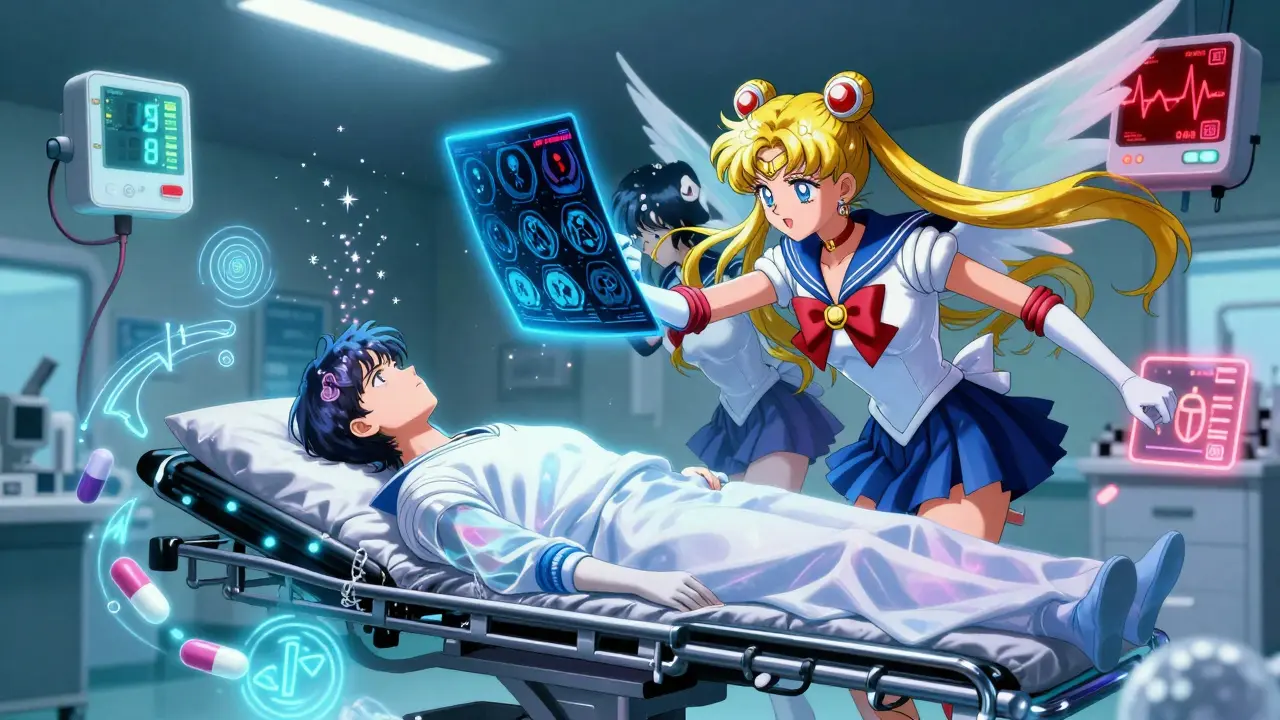
What Are the Real Differences in Symptoms?
Here’s what patients actually report:
- Ischemic: Numbness or weakness that creeps up - maybe starting in your fingers, then your arm, then your face. Slurred speech that gets worse over 10 to 20 minutes. Dizziness. Trouble seeing. No headache, or just a mild one.
- Hemorrhagic: Sudden, violent headache - like being hit in the head. Nausea, vomiting. Loss of consciousness. One pupil larger than the other. Seizures. Extreme agitation. Vision loss or double vision.
Some people think if the symptoms are mild, it’s not a stroke. That’s dangerous. Even small strokes can be warning signs. And hemorrhagic strokes can start with subtle symptoms - then crash fast.
What Causes Each Type?
Ischemic strokes are tied to heart and artery problems. Atrial fibrillation - an irregular heartbeat - is a big one. It causes blood to pool in the heart, forming clots that can travel to the brain. People with AFib have a 500% higher stroke risk. High cholesterol, diabetes, smoking, and obesity all pile on the risk.
Hemorrhagic strokes? Almost always linked to one thing: high blood pressure. The CDC says 78 to 88% of brain bleeds happen because decades of uncontrolled hypertension have weakened small blood vessels. It’s like a hose that’s been under too much pressure for too long - eventually, it bursts. Other causes include aneurysms, arteriovenous malformations (tangled blood vessels), and blood thinners used incorrectly.
How Are They Treated?
Ischemic stroke treatment is about speed. If you get to the hospital within 3 to 4.5 hours, you might get tPA (alteplase) or tenecteplase - drugs that dissolve the clot. For large vessel blockages, doctors can do a mechanical thrombectomy - inserting a device through the groin to pull the clot out. This works up to 24 hours after symptoms start, if imaging shows salvageable brain tissue.
Hemorrhagic stroke treatment is about stopping the bleed and reducing pressure. Surgery might be needed. Clipping - placing a metal clip on the aneurysm - or coiling - threading tiny coils into the aneurysm to block blood flow - are common. In some cases, minimally invasive surgery with a small tube and clot-dissolving drugs (like in the MISTIE III trial) can reduce death rates by 10%.
Medications matter too. Blood pressure must be lowered carefully - too fast, and you risk more brain damage. Anti-seizure drugs, fluids, and drugs to reduce swelling are often used.

How Do You Prevent a Stroke?
Prevention isn’t one-size-fits-all. It depends on the type.
For ischemic stroke prevention:
- If you have atrial fibrillation, take anticoagulants like apixaban or warfarin. Studies show they cut stroke risk by 60 to 70%.
- Take daily aspirin or clopidogrel if you’ve had a prior stroke or TIA. That reduces recurrence by 25%.
- Control cholesterol with statins. Lower LDL = less plaque = less clot risk.
For hemorrhagic stroke prevention:
- Keep your blood pressure under control. The SPRINT trial showed that lowering systolic pressure to under 120 mmHg (not 140) cuts hemorrhagic stroke risk by 38%.
- Avoid smoking. Quitting cuts stroke risk in half within a year.
- Limit alcohol. Heavy drinking raises blood pressure and weakens blood vessels.
For both types:
- Eat a Mediterranean-style diet - lots of vegetables, olive oil, fish, nuts. The PREDIMED study showed a 30% lower stroke risk.
- Move. 150 minutes of walking or cycling a week lowers overall stroke risk by 27%.
- Manage diabetes. High blood sugar damages blood vessels over time.
What About New Advances?
Things are changing fast. MRI scans now help doctors decide if someone can safely get clot-busting drugs even after 4.5 hours - if brain tissue still looks salvageable. That’s from the WAKE-UP trial extension.
Blood tests are coming too. A new biomarker called GFAP can tell if a stroke is hemorrhagic or ischemic within 15 minutes of a blood draw. That could mean faster decisions in ambulances or rural clinics.
Telestroke networks are helping people in remote areas get expert care within minutes. And AI tools like Viz.ai are cutting door-to-needle time by over 50 minutes - meaning more people get treatment before it’s too late.
What Should You Do If You Suspect a Stroke?
Remember FAST:
- Face drooping? One side of the face sags.
- Arm weakness? Can’t raise one arm?
- Speech difficulty? Slurred, strange, or hard to understand?
- Time to call 999 (or your local emergency number) - right now.
Don’t wait. Don’t hope it passes. Don’t drive yourself. Call for help immediately. Every minute you wait, 1.9 million brain cells die. That’s not a metaphor - it’s science.
Final Thought: It’s Not Just About Treatment - It’s About Prevention
Strokes are still the fifth leading cause of death in the U.S. and cost the healthcare system over $53 billion a year. But here’s the good news: up to 80% of strokes are preventable. You don’t need magic pills or expensive gadgets. You need to know your numbers - blood pressure, cholesterol, heart rhythm. You need to move, eat well, and quit smoking. You need to take your meds. And you need to act fast if something feels off.
Stroke isn’t just something that happens to older people. It happens to younger adults too - often misdiagnosed because symptoms seem "atypical." That’s why awareness matters. Your life - or someone else’s - could depend on it.
Edith Brederode
January 18, 2026 AT 18:55Arlene Mathison
January 19, 2026 AT 19:36Also - statins aren't just for cholesterol. They stabilize plaque. That’s why even people with 'normal' cholesterol benefit. Don't let your doctor dismiss them.
Carolyn Rose Meszaros
January 21, 2026 AT 18:42Also - the GFAP blood test? That’s huge. My cousin lives in rural Kansas and got diagnosed via telestroke. She got clot-busting meds in 38 minutes. That’s insane. We need this everywhere. 🙏
Greg Robertson
January 23, 2026 AT 08:37Courtney Carra
January 23, 2026 AT 14:55But here’s the deeper truth: prevention isn’t about willpower. It’s about systemic design. Why do we let blood pressure go unchecked for decades? Why is healthcare reactive, not predictive? We treat strokes like accidents - but they’re the inevitable outcome of neglect.
thomas wall
January 25, 2026 AT 04:30Art Gar
January 26, 2026 AT 13:37Crystal August
January 27, 2026 AT 20:36Nadia Watson
January 28, 2026 AT 18:38But here’s the thing - we don’t have AI tools like Viz.ai. We rely on tech that’s 15 years old. If you live outside the city, your chances drop fast. We need more funding. More training. More telestroke. This isn’t just info - it’s a call to action.