
TZD Weight & Fluid Tracker
Fluid Retention Analysis
Disclaimer: This tool is for educational purposes and does not replace professional medical advice. Always consult your healthcare provider regarding medication side effects.
Finding a diabetes medication that works is a win, but it's a different story when that medicine makes your ankles swell or the number on the scale creep up. For people taking Thiazolidinediones is a class of insulin-sensitizing medications used to treat type 2 diabetes by activating PPAR-gamma receptors (commonly called TZDs), weight gain and edema are two of the most frustrating hurdles. You aren't imagining it; these side effects are well-documented and can range from a tight fit in your favorite shoes to more serious concerns about heart health.
The good news is that these side effects are manageable. Whether you are taking Pioglitazone (Actos) or Rosiglitazone (Avandia), understanding why your body holds onto water and how to flush it out can make a huge difference in your quality of life. This guide breaks down the "why" and gives you a concrete plan to keep the swelling down while keeping your blood sugar in check.
Why TZDs Cause Weight Gain and Swelling
If you've noticed a sudden jump of 5 to 7 pounds in your first month on a TZD, it's important to know that not all of that is fat. In fact, about 65% to 70% of the weight gain seen with these drugs is actually fluid retention. TZDs work by making your cells more sensitive to insulin, but they also tell your kidneys to hold onto more sodium. When sodium stays in your system, water follows it, leading to TZD weight gain and visible swelling.
This fluid buildup usually shows up as pedal edema-which is just a medical way of saying swollen ankles and feet. While many people only experience mild fluid shifts, some may see a significant increase in extracellular volume. This is particularly risky for people who already have heart issues, as the extra fluid can put a strain on a heart that is already struggling to pump effectively.
Comparing TZD Side Effects to Other Diabetes Meds
It can be confusing to navigate the different options for diabetes care. Unlike some other medications, TZDs have a very specific relationship with water and weight. For instance, while some older drugs might cause weight gain because they trigger hunger (hypoglycemia), TZDs do it through salt and water retention. On the flip side, newer classes like GLP-1 receptor agonists are often prized because they actually help people lose weight.
| Drug Class | Primary Weight Effect | Fluid Retention Risk | Key Mechanism |
|---|---|---|---|
| TZDs (Pioglitazone) | Increase (Fluid + Fat) | High | Renal sodium reabsorption |
| Metformin | Neutral / Slight Loss | Low | Reduced glucose production |
| GLP-1 Agonists | Decrease (Loss) | Low | Satiety and gastric slowing |
| SGLT2 Inhibitors | Decrease (Loss) | Very Low (Diuretic effect) | Glucose excretion via urine |
Effective Strategies to Reduce Edema and Weight Gain
You don't necessarily have to stop your medication to get rid of the swelling. There are several clinical and lifestyle pivots that can help your body shed excess water.
The SGLT2 Combination Strategy
One of the most effective ways to counter TZD-induced edema is by pairing the medication with SGLT2 Inhibitors (such as Empagliflozin). Since SGLT2 inhibitors act as mild diuretics-meaning they help you pee out excess glucose and sodium-they naturally counteract the sodium-retaining effects of TZDs. Some reports suggest this combination can reduce the incidence of edema by as much as 45%.
Dose Optimization
Less is often more. Fluid retention is typically dose-dependent. For example, someone taking 15 mg of pioglitazone daily is significantly less likely to experience edema than someone on 45 mg. Talk to your doctor about starting at the lowest possible dose and titrating up slowly. This gives your kidneys and vascular system time to adapt.
Lifestyle Adjustments
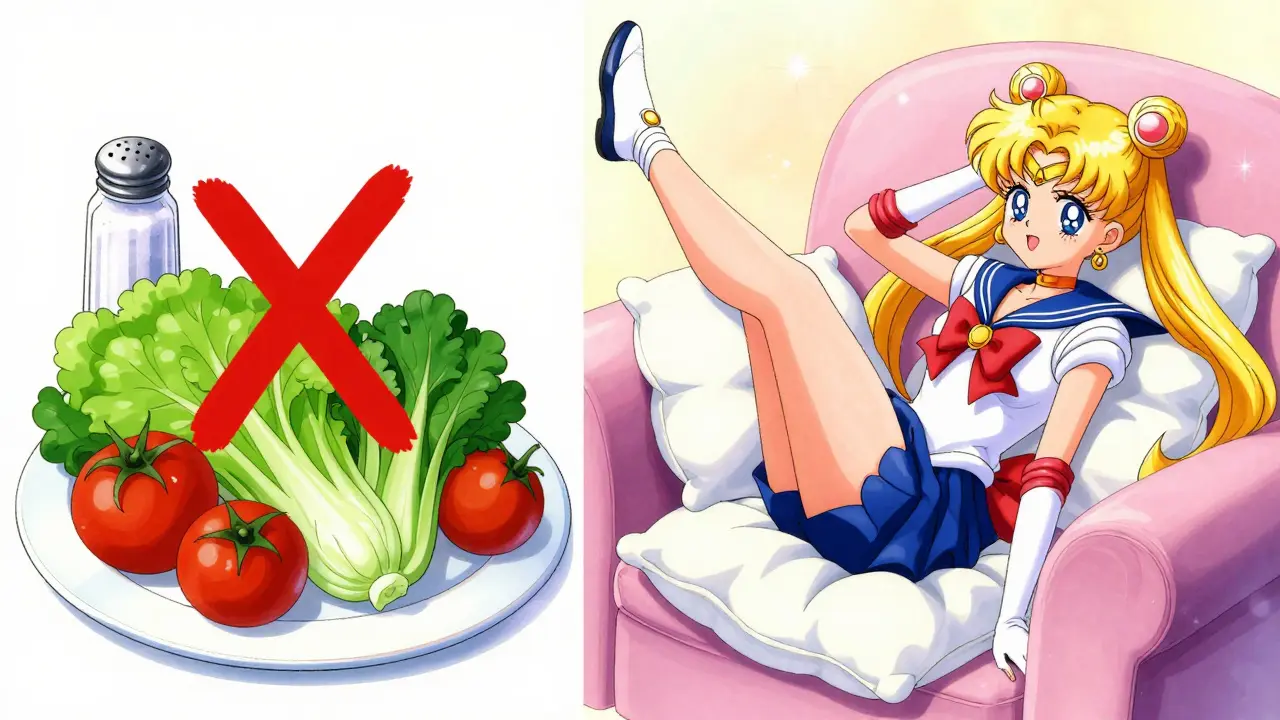
- Slash the Salt: Aim for less than 2,000 mg of sodium per day. Excess salt acts like a sponge, holding water in your tissues.
- Elevate Your Legs: Spending 30 minutes a day with your feet above your heart can help gravity move fluid away from your ankles.
- Timing Matters: Some patients find that taking their medication in the morning helps reduce the feeling of tightness in the skin and nocturnal fluid buildup.
When to Be Concerned: Red Flags
While a little ankle swelling can be an annoyance, fluid retention can become dangerous. The FDA has issued black box warnings for TZDs because they can exacerbate heart failure. You need to be vigilant about "hidden" edema, which might not just look like swollen feet but feel like shortness of breath.
Keep a close eye on these three red flags:
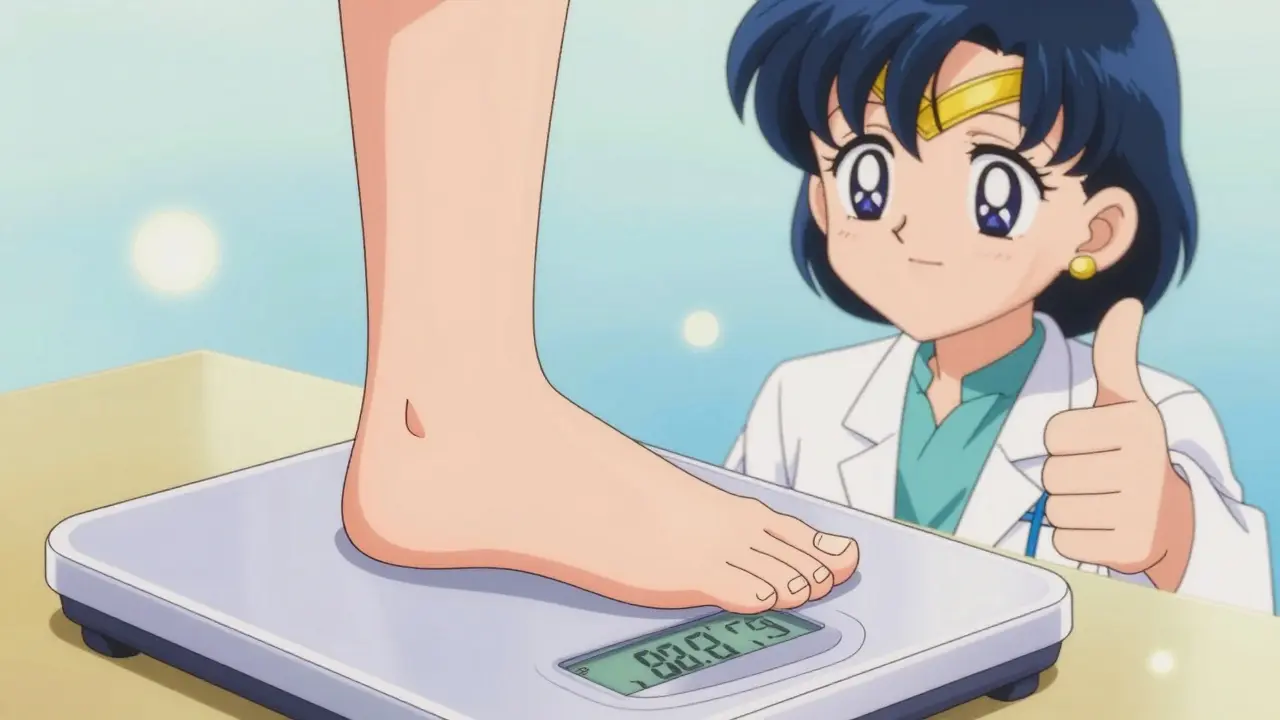
- Rapid Weight Spikes: Gaining more than 2-3 kg (about 4-6 lbs) in a single week is a sign of fluid accumulation, not fat gain.
- Dyspnea: If you find yourself getting winded more easily while walking or feeling short of breath when lying flat in bed, this could indicate fluid in the lungs (pulmonary edema).
- Pitting Edema: If you press your finger into your swollen ankle and it leaves a persistent indentation (a "pit"), your fluid levels are high and require medical attention.
Long-Term Outlook and Alternatives
The use of TZDs has declined over the years as newer, more weight-friendly drugs have hit the market. However, for people with severe insulin resistance, they remain a powerhouse. If the side effects become intolerable, your doctor might look into SPPARMs (Selective PPAR Modulators), which are designed to provide the metabolic benefits of TZDs without the heavy fluid retention.
Regular monitoring is the key to staying safe. A simple daily weigh-in can reduce the risk of heart failure hospitalizations by over 30% because it catches the fluid buildup before it becomes a crisis. Be honest with your healthcare provider about your shoe size and your scale; it's the best way to ensure your treatment is helping you without hurting you.
Is the weight gain from TZDs permanent?
Much of the weight gain is fluid-based, which is reversible. If you switch medications or add a diuretic/SGLT2 inhibitor, the water weight usually drops quickly. However, a small portion of the gain is due to a redistribution of fat to the subcutaneous areas, which may persist longer.
Can I take a water pill (diuretic) while on Pioglitazone?
Yes, many doctors prescribe diuretics to manage TZD-induced edema. Thiazide diuretics are often preferred over loop diuretics in mild cases. Always consult your doctor first to ensure your potassium levels and kidney function are monitored.
Why do my ankles swell but not my hands?
This is primarily due to gravity. Fluid tends to pool in the lowest points of the body, which in most people are the ankles and feet (pedal edema). This is why elevating your legs is such an effective management strategy.
Should I stop taking my TZD if I see swelling?
Never stop your diabetes medication abruptly without talking to your doctor, as this could cause your blood sugar to spike. Instead, contact your provider to discuss dose adjustments or adding a complementary medication like an SGLT2 inhibitor.
Does everyone experience edema on these drugs?
No. In monotherapy, only about 3-5% of patients experience clinically evident edema. However, the risk jumps significantly (up to 16%) if you are taking TZDs in combination with insulin therapy.
Lando Neal
May 3, 2026 AT 05:10This is such a helpful breakdown!!! I had no idea about the sodium link!!!
Rebekah Korak
May 3, 2026 AT 15:23It is truly fascinating how we attempt to "fix" the body with chemicals only to find ourselves managing the chaos those very chemicals create, as if we are just rearranging deck chairs on the Titanic of our own biology. The obsession with "managing" symptoms like edema is just a thin veil for our refusal to accept that the human form is a delicate equilibrium, and when you force the kidneys to hold onto sodium, you are essentially waging a war against your own homeostasis. We treat the body like a machine where you can just swap a part or add a diuretic to balance the equation, but the soul of the matter is that we've forgotten how to live in harmony with our natural rhythms, opting instead for a pharmaceutical cocktail that turns our ankles into sponges while we pretend that the blood sugar number is the only metric of success. Honestly, the sheer arrogance of thinking we can outsmart systemic inflammation with a secondary drug combination is just peak modern medicine, where the solution to a side effect is simply another pill with its own set of hidden consequences that we'll probably be "managing" in another guide ten years from now.
Elizabeth Holden
May 4, 2026 AT 00:06u guys rly think the SGLT2 thing works lol. i tried it and it just made me pee more without fixin the swelling. typical doctors just pushing new stuff that doesnt realy work for evryone.
J. Walter Jenkem
May 4, 2026 AT 21:43It's a good idea to keep a daily log of your weight and any new symptoms. Sharing that data with your care team can help them make the best dosing decisions for you.
Srinivas Komakula
May 5, 2026 AT 16:27The strategic manipulation of renal sodium reabsorption is merely a facade for the broader pharmacodynamic agenda!!! Have you considered that the prevalence of pedal edema is a calculated byproduct to ensure lifelong dependency on diuretic cocktails??? The synergy between TZD ligands and the pharmaceutical-industrial complex is blatantly obvious to anyone tracking the patent cycles of these compounds!!!
Jenny X
May 6, 2026 AT 05:11Totally agree about the renal system being targeted. They push these PPAR-gamma activators while ignoring the systemic epigenetic shifts that happen when you mess with sodium channels. It's all about the long-term titration into a state of metabolic dependency, probably managed by an algorithm we aren't allowed to see.
Preety Singh
May 6, 2026 AT 21:48The lack of nuance regarding the socio-economic disparity in accessing SGLT2 inhibitors is quite glaring. It is simplynaive to suggest these combinations as a universal solution when the cost barrier remains an insurmountable obstacle for the masses
Seema Karanje
May 7, 2026 AT 14:03STOP COMPLAINING ABOUT THE SWELLING AND JUST HIT THE GYM!! MOVE YOUR BODY AND CUT THE SALT NOW!! NO EXCUSES!!
bharat films
May 9, 2026 AT 05:02Imagine thinking a little salt reduction fixes a drug-induced failure 🤡😂 pure comedy 💀