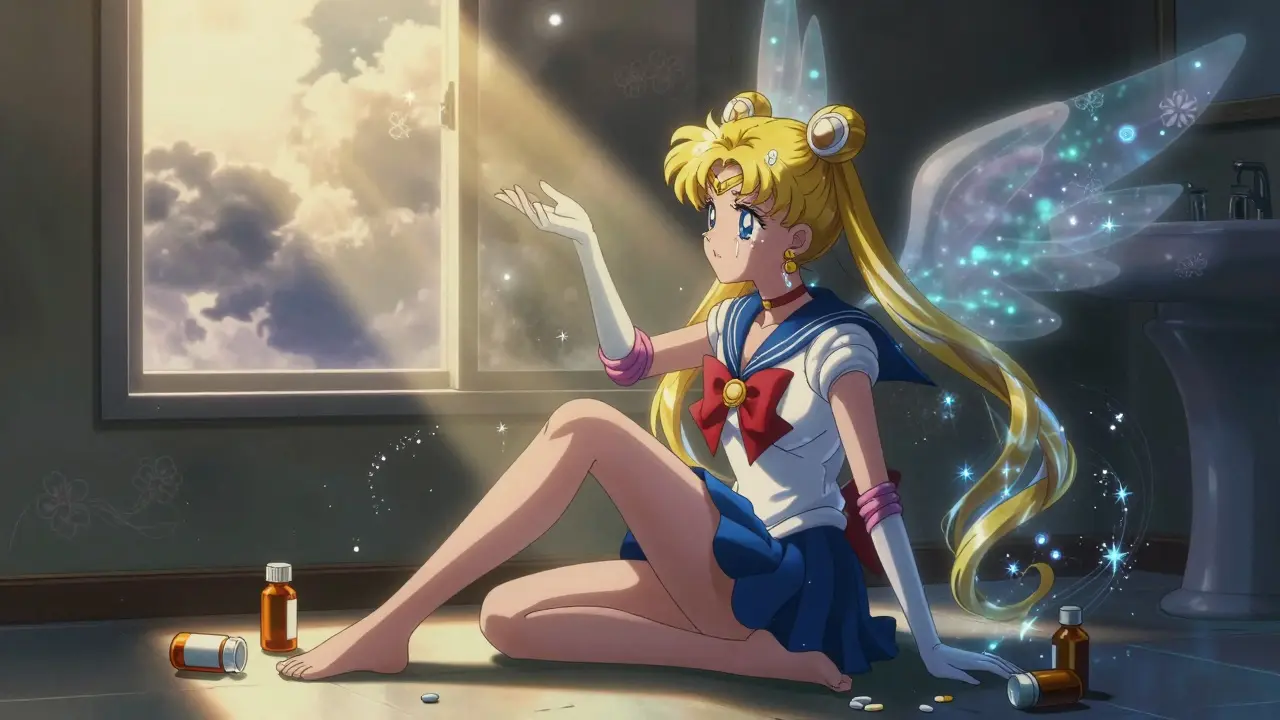
When someone takes too many pills on purpose, it’s not just a medical emergency-it’s a cry for help. Intentional overdose is one of the most common ways people attempt suicide, especially among teens and adults struggling with depression, trauma, or untreated mental illness. But here’s the truth: intentional overdose doesn’t have to be the end. Help exists. And it works.
Why People Choose Overdose as a Method
Many who attempt suicide by overdose aren’t seeking death-they’re seeking relief. Pain, loneliness, or numbness can feel unbearable. Prescription painkillers, antidepressants, or even common pain relievers like acetaminophen become tools in that moment because they’re easy to reach. A 2024 SAMHSA survey found that 2.6% of people aged 12 and older misused prescription opioids in the past year, and many of those cases involved intentional overdose attempts. It’s not about being weak or dramatic. It’s about being overwhelmed. And the accessibility of these substances makes overdose a tragically common choice. Unlike firearms, which are highly lethal but harder to access for many, pills are often sitting in medicine cabinets at home. For teenagers, it’s easier than getting a gun. For adults, it’s easier than climbing a bridge. But here’s what no one tells you: overdose as a suicide method is often not fatal. About 1 in 3 people who attempt suicide by overdose survive. And many of those survivors say later that they didn’t actually want to die-they just wanted the pain to stop.The Real Numbers Behind the Crisis
In 2024, the CDC reported a 24% drop in overall drug overdose deaths compared to 2023. That’s over 27,000 fewer lives lost. But that number includes both accidental overdoses from substance use disorder and intentional suicide attempts. The difference matters. For intentional overdose specifically, the data is less clear. The CDC tracks suicide attempts using ICD-10 codes like X60-X64. In 2023, overdose accounted for 15-20% of all suicide deaths in the U.S. That’s still thousands of people. And while overall rates are falling, the people who are still at risk are the ones slipping through the cracks. Mental Health America’s 2025 report says 14 million U.S. adults had serious suicidal thoughts last year. One in four adults with a mental illness didn’t get the care they needed. And with only one mental health provider for every 320 people at risk, the system is stretched thin.What Works: The Lifelines That Save Lives
The 988 Suicide & Crisis Lifeline launched in July 2022, and it’s already saved lives. In 2024, it handled 4.7 million contacts-up 32% from the year before. That’s more people reaching out than ever. And the people answering? They’re trained to stay on the line, even when someone is actively overdosing. One Reddit user, 'AnxietySurvivor89', wrote: “I called 988 after taking too many pills. The counselor stayed on the line until EMS arrived 18 minutes later. That probably saved my life.” That’s not rare. Crisis counselors are trained to talk people down, coordinate with EMS, and even guide bystanders on how to administer naloxone if opioids are involved. And they don’t judge. They don’t call the police unless there’s an immediate threat. They listen. But here’s the problem: wait times have doubled. In 2022, the average call wait was 2.4 minutes. By 2024, it was 5.7 minutes. And 42% of people seeking same-day crisis help couldn’t get through at all. Text-based services like Crisis Text Line (text HOME to 741741) are filling gaps. In 2024, they handled 3.2 million conversations with a median response time of 37 seconds. For someone who can’t speak out loud, this can be the difference between life and death.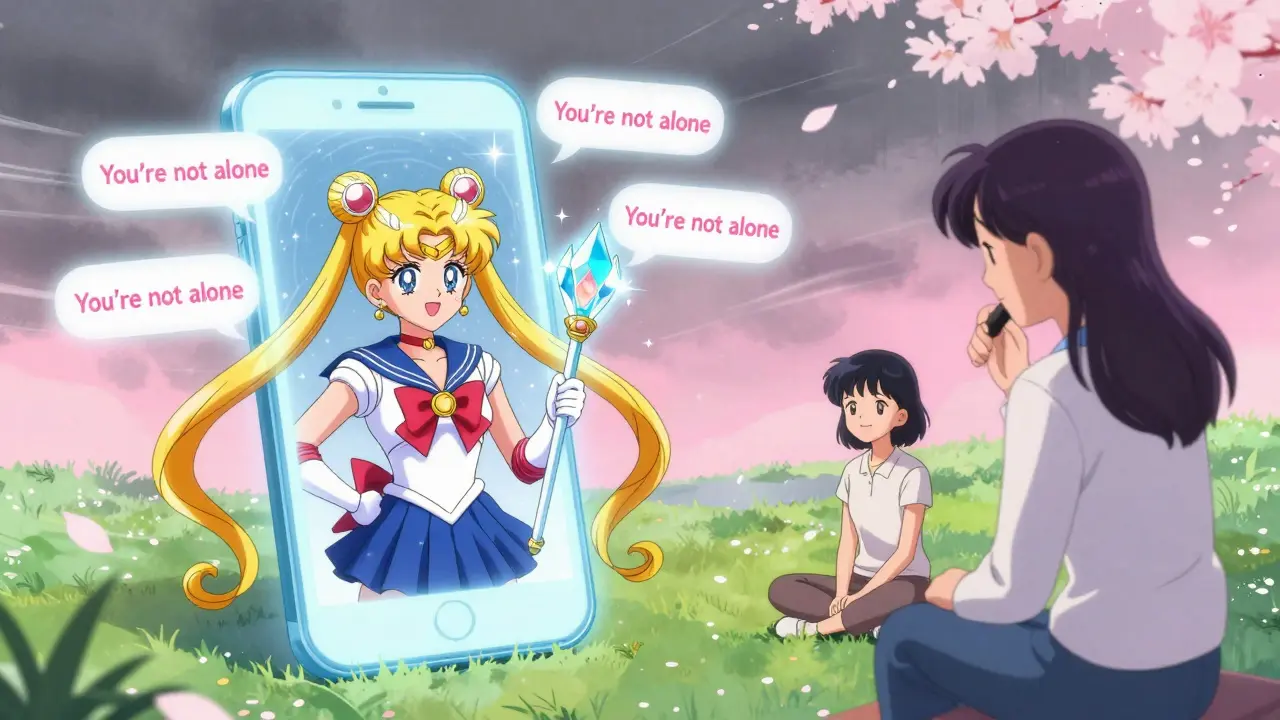
What’s at Risk: Funding Cuts and Staff Shortages
Progress is fragile. In 2025, the proposed federal budget cut $1.07 billion from SAMHSA’s funding. That’s not just a number-it’s 200+ crisis centers losing staff. It’s counselors quitting because they’re burnt out and underpaid. It’s longer hold times. It’s fewer outreach programs in schools and rural towns. The Trust for America’s Health warned that these cuts could reverse the 24% drop in overdose deaths. Without funding, programs that train first responders, distribute naloxone, or support families after a suicide attempt will vanish. Rural communities are hit hardest. Suicide rates there are 25% higher than in cities. But access to crisis services? 40% lower. A person in Appalachia or the Great Plains might drive two hours to reach the nearest counselor. By then, the crisis has passed-or become fatal.What You Can Do Right Now
If you’re thinking about overdose-not because you want to die, but because you can’t take the pain anymore-call 988. Text HOME to 741741. Go to your nearest ER. You don’t need to be “bad enough” to get help. You don’t need a diagnosis. You just need to be hurting. If you know someone who might be at risk:- Ask directly: “Are you thinking about killing yourself?” It doesn’t plant the idea. It opens the door.
- Don’t leave them alone. Stay with them until help arrives.
- Remove pills, knives, or other dangerous items if you can safely.
- Call 988 and say you’re worried about someone. They’ll guide you.

What Comes After the Crisis
Surviving an overdose isn’t the end. It’s the beginning of recovery. But recovery needs support. Most people who survive a suicide attempt don’t try again. But they need ongoing care. Therapy. Medication. Community. A job. A reason to wake up. The CDC’s suicide prevention framework says the best results come from combining crisis response with long-term support: job training, housing help, peer networks, and access to therapy. Programs that link people to counselors within 72 hours of a crisis reduce repeat attempts by 40%. But that only works if the system is funded. If the next person who calls 988 gets a busy signal… will they try again?Final Thought: You Are Not Alone
Intentional overdose is not a choice made in clarity. It’s a moment of darkness. And darkness doesn’t mean there’s no light. It just means you can’t see it yet. The fact that you’re reading this means you’re still here. And that matters. Even if you’re not sure why. Even if you feel like a burden. Even if you think no one cares. You are not alone. Help is waiting. And it’s not asking you to be fixed. It’s just asking you to stay.Call 988. Text 741741. Go to the ER. Tell someone. You deserve to feel better.
Leonard Shit
January 7, 2026 AT 20:15man i read this whole thing and just sat there like... wow. not because i’ve ever tried it, but because i know people who have. and the part about meds in the cabinet? my cousin took my dad’s ibuprofen like 12 years ago and lived. no one even noticed until she passed out. we thought it was just a bad stomach bug. it’s scary how normal it all feels until it’s not.
Melanie Clark
January 8, 2026 AT 14:05THIS IS WHY WE NEED TO STOP CATERING TO WEAKNESS IN THIS COUNTRY. PEOPLE AREN’T DYING BECAUSE THEY’RE SAD THEY’RE DYING BECAUSE THEY’RE LAZY AND REFUSE TO GET A JOB AND GET OFF THE GOVERNMENT DOLE. 988 IS JUST A TAXPAYER FUNDED PACIFIER. IF YOU CAN’T HANDLE LIFE THEN YOU SHOULD’VE NEVER BEEN BORN. NO ONE CARES IF YOU’RE HURTING. LIFE IS HARD. GET OVER IT.
Harshit Kansal
January 9, 2026 AT 05:34in india we dont have 988 but we have a helpline 91-11-23978090. my friend tried to take pills after his breakup last year. he called them. they talked to him for 47 minutes. then sent a volunteer to his house. he’s working now. he still talks to the counselor once a week. its not perfect but its something. we need more of this.
Brian Anaz
January 11, 2026 AT 00:19if you’re gonna kill yourself at least do it right. pills are for cowards. real men don’t take 20 tylenol and cry to a stranger on the phone. if you’re gonna go out, go out hard. this whole ‘mental health crisis’ nonsense is just another liberal scam to get more money for therapists who don’t even know how to fix anything.
Venkataramanan Viswanathan
January 11, 2026 AT 03:49in my village in Tamil Nadu, we don’t have counselors. we have family. we have chai. we have silence that says ‘i am here.’ when my brother tried to overdose after losing his job, we didn’t call anyone. we sat with him for three days. we didn’t speak much. we just cooked. we just listened. sometimes the best medicine is not a line, but a plate of food and someone who won’t look away.
Vinayak Naik
January 12, 2026 AT 18:59yo i been there. took a whole bottle of lexapro back in 2020. woke up in the hospital with my mom crying and my dog licking my face. no one called me weak. no one said ‘u should’ve just gotten a job.’ they just held me. i’m in therapy now. i got a dog. i got a job at a pet store. i still have bad days. but i dont wanna die anymore. just wanna see what tomorrow looks like. if u r reading this and feel like a burden? u r not. u r just tired. rest. then try again. you got this.
Kiran Plaha
January 14, 2026 AT 02:42i dont know if this is the right place to say this but i just wanted to say thank you for writing this. i’ve been thinking about calling 988 for weeks but kept telling myself ‘it’s not bad enough.’ reading this made me realize that pain doesn’t need a threshold. it just needs to be heard. i’m calling tomorrow. i don’t know what i’ll say but i know i need to say something.
Matt Beck
January 14, 2026 AT 04:40we live in a world where a person can buy a gun in 10 minutes but has to wait 6 minutes on hold to talk to someone who might save their life… and we wonder why people give up? 🤔 the system is broken. not the people. the system. and until we stop treating mental health like a luxury and start treating it like oxygen… we’re just rearranging deck chairs on the Titanic. 💔
Kelly Beck
January 14, 2026 AT 12:59you are not alone. you are not broken. you are not a burden. you are a human being who is hurting right now, and that’s okay. i’ve been where you are. i’ve held the pills. i’ve stared at the ceiling at 3am wondering if anyone would notice if i disappeared. and i want you to know - i noticed. someone noticed. and i’m still here. and you can be too. you don’t have to fix everything today. you just have to take one breath. then another. then call 988. i believe in you. 💛
Molly McLane
January 16, 2026 AT 12:47my sister survived an overdose last year. they told us she’d be fine. but the real damage was the silence after. no one talked about it. no one asked how she was really doing. we acted like it never happened. that’s the worst part. not the pills. not the hospital. the silence. we need to talk about this. not as a tragedy. not as a statistic. as a human story. every single time.
Katie Schoen
January 17, 2026 AT 20:32the fact that we have to explain to grown adults that taking too many pills isn’t attention-seeking but a cry for help… is honestly the saddest part of this whole thing. we live in a world where you can get a tattoo on your face but not therapy without insurance. 🤷♀️
Ryan Barr
January 19, 2026 AT 18:56988 is a gimmick. Real men don’t call hotlines. They get a job. They move on. This article is just virtue signaling wrapped in clinical jargon.
Ashley S
January 20, 2026 AT 05:57why do we even care? people who do this are just trying to get attention. if they really wanted to die they’d do it properly. this is just another excuse for lazy people to get free therapy and disability checks. stop coddling them.
jigisha Patel
January 21, 2026 AT 00:39the data presented here is methodologically flawed. Overdose deaths are conflated with accidental poisonings. Suicide attempts are underreported due to stigma. The 24% drop in overdose deaths cited is likely due to pandemic-related lockdowns reducing access to substances, not improved mental health care. This article is dangerously oversimplified.
Jeane Hendrix
January 21, 2026 AT 22:04the structural gaps in crisis response are systemic - not just funding, but also workforce burnout, lack of integration with primary care, and the absence of standardized protocols across states. we need trauma-informed care at the community level, not just crisis lines. and we need to stop framing this as an individual failure. it’s a public health failure.