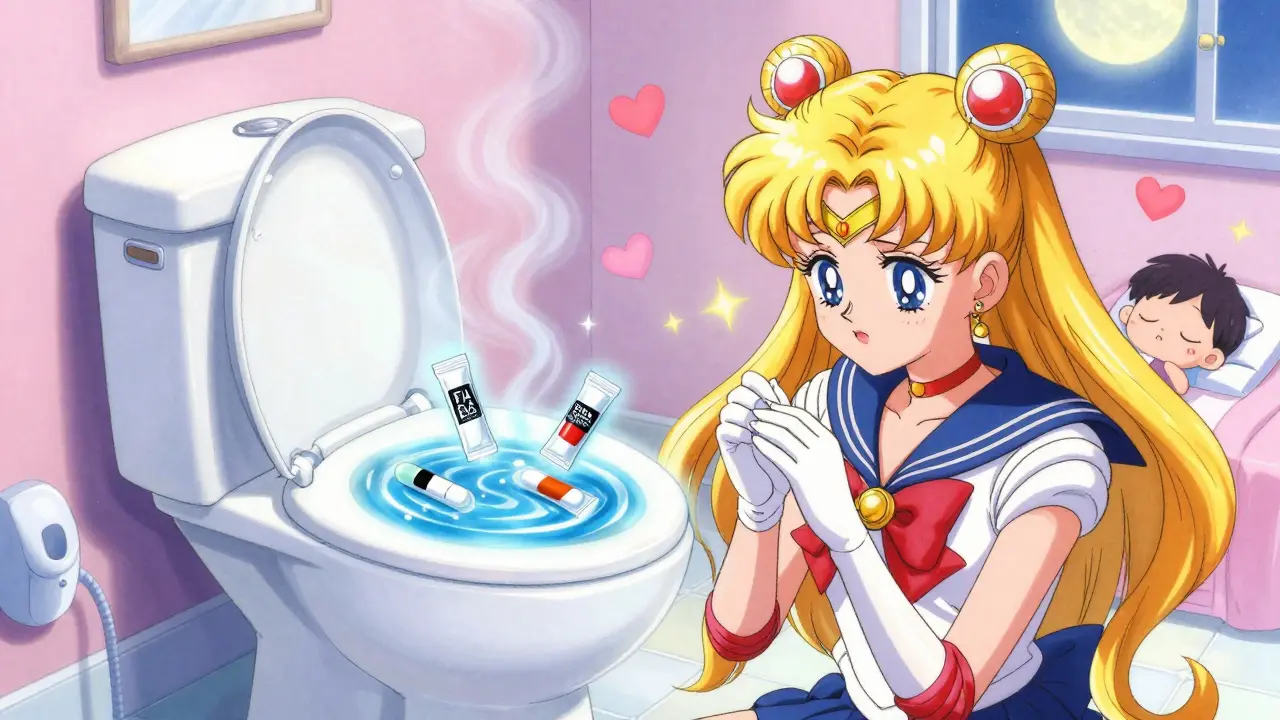
Most people think flushing pills down the toilet is dirty, dangerous, or just plain wrong. And for most medications, they’re right. But there’s a small, critical list of drugs the FDA says you should flush - not because it’s convenient, but because not doing it could kill someone.
Why Flushing Is Ever Allowed
The U.S. Food and Drug Administration doesn’t encourage flushing medications. In fact, they say the best way to get rid of old pills is through a drug take-back program. These are drop-off locations at pharmacies, police stations, or community events where unused medicines are collected and safely destroyed. But sometimes, those programs aren’t available. Maybe you live in a rural area with no nearby collection site. Maybe you’re holding onto a powerful opioid like fentanyl or methadone, and you’re worried a child, pet, or visitor might find it in the trash. That’s when the FDA’s Flush List comes in. This isn’t a suggestion. It’s a safety rule. The FDA only includes drugs on this list because a single dose can cause death if misused. These aren’t your everyday painkillers or antidepressants. These are high-risk, high-power medications that can shut down breathing in minutes - especially in children or people who’ve never taken them before.What’s on the FDA Flush List (2024)
As of April 2024, the FDA’s official Flush List includes medications containing these active ingredients:- Buprenorphine - found in SUBOXONE, ZUBSOLV, BUTRANS patches
- Fentanyl - in ABSTRAL, ACTIQ, DURAGESIC patches, FENTORA
- Hydromorphone - EXALGO extended-release tablets
- Meperidine - DEMEROL
- Methadone - DOLOPHINE, METHADOSE
- Morphine - ARYMO ER, AVINZA, EMBEDA, KADIAN, MORPHABOND ER, MS CONTIN, ORAMPH SR
- Oxymorphone - OPANA and OPANA ER
- Tapentadol - NUCYNTA, NUCYNTA ER
- Sodium oxybate - XYREM, XYWAV
- Diazepam rectal gel - DIASTAT, DIASTAT ACUDIAL
- Methylphenidate transdermal system - DAYTRANA
Special Rule for Fentanyl Patches
Fentanyl patches are especially dangerous. Even after being used, they still contain enough drug to kill a child. The FDA specifically warns: fold the patch in half with the sticky sides together before flushing. Why? Because a patch left in the trash might still leak fentanyl. A curious toddler might pick it up, stick it on their skin, and overdose within hours. In 2022, the FDA reported 217 cases of accidental fentanyl exposure in children - nine of them fatal. Most of those cases came from patches found in household trash. Flushing the folded patch is the fastest way to remove that threat. It’s not ideal for the environment, but it’s safer than leaving it where a child can reach it.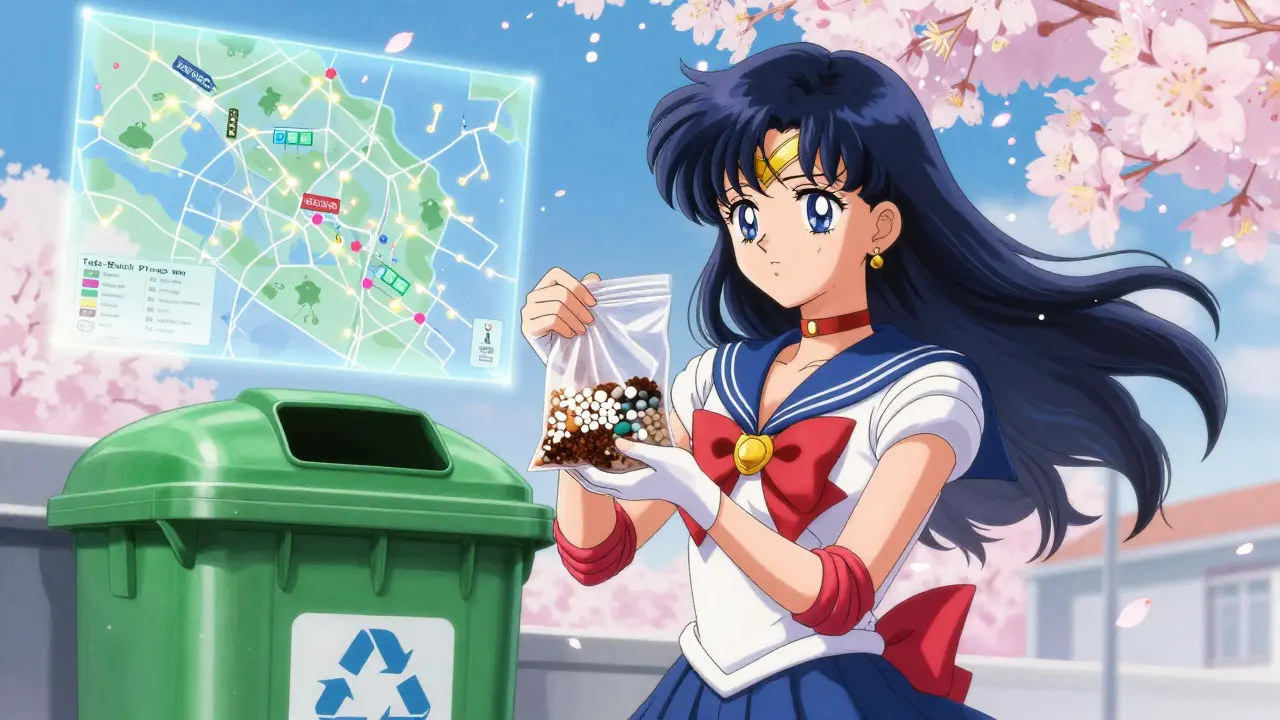
What to Do Before You Flush
Even if your medicine is on the list, don’t just grab it and drop it in the toilet. Follow these steps:- Check if a take-back program is available. Use the DEA’s website to find nearby collection sites. Many pharmacies offer year-round drop-off bins. National Take Back Day happens twice a year - in April and October.
- Confirm your medication is on the FDA Flush List. Look at the label or search the FDA’s official site. Don’t guess. If you’re unsure, call your pharmacist.
- Remove personal info. Take the empty bottle or packaging and scratch out your name, prescription number, and address before throwing it in the trash. This protects your privacy.
- Flush only if no other option exists. If you have a take-back option, even if it’s 20 miles away, use it. Flushing is the last resort.
Why the FDA Won’t Let You Flush Everything
You might wonder: if flushing saves lives, why not flush everything? The answer is water. The Environmental Protection Agency (EPA) tracks pharmaceuticals in rivers, lakes, and drinking water. While levels are low, long-term exposure to even tiny amounts of drugs in water can harm fish, amphibians, and ecosystems. The EPA doesn’t allow hospitals, nursing homes, or pharmacies to flush meds - only households in rare cases. The FDA’s list is intentionally small. In 2021, they removed 11 medications from the list because newer versions had abuse-deterrent features - like pills that turn to gel when crushed - making them safer to throw in the trash. The goal isn’t to pollute water. It’s to prevent deaths.What Happens If You Flush the Wrong Medicine?
Flushing non-listed drugs - like antidepressants, antibiotics, or cholesterol pills - doesn’t help anyone. It just adds to water contamination. And if you’re caught doing it in some states, you could face fines. Local regulations vary, but the EPA and FDA are clear: only flush what’s on the list, and only when necessary. A 2023 survey found that 42% of Americans admit to flushing medications not on the FDA list. That’s not just unsafe - it’s unnecessary. There are better options.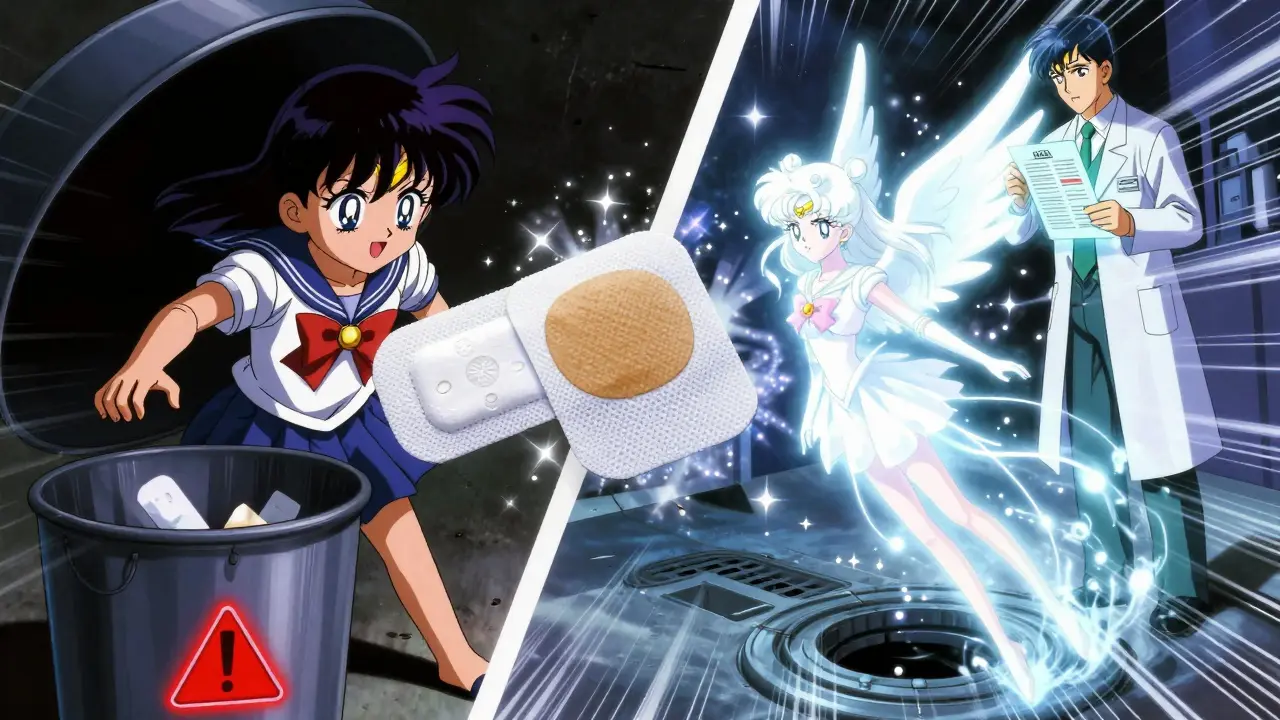
DHARMAN CHELLANI
January 30, 2026 AT 03:58Megan Brooks
January 31, 2026 AT 04:59Ryan Pagan
January 31, 2026 AT 10:04Robin Keith
February 1, 2026 AT 07:38Sheryl Dhlamini
February 1, 2026 AT 14:31LOUIS YOUANES
February 1, 2026 AT 17:20Andy Steenberge
February 1, 2026 AT 23:50Laia Freeman
February 2, 2026 AT 18:38rajaneesh s rajan
February 2, 2026 AT 22:06paul walker
February 3, 2026 AT 13:09