
Dong Quai and Warfarin Interaction Risk Calculator
Estimate the potential increase in bleeding risk based on baseline INR and Dong Quai usage. This tool illustrates the additive anticoagulant effects described in clinical literature.
Estimated Outcome
Projected INR: -
Risk Category: -
Recommendation: -
Imagine taking a daily medication to keep your blood from clotting too easily, only to add a "natural" supplement for menopausal symptoms or menstrual pain. You might think you’re being proactive about your health. But if that supplement is Dong Quai, also known as Chinese angelica, and your medication is Warfarin, you could be walking into a dangerous trap.
The combination of Dong Quai and Warfarin is not just a minor inconvenience; it creates a significant risk of enhanced anticoagulation. In simple terms, this means your blood becomes thinner than intended, drastically increasing the chance of severe bleeding. For patients relying on Warfarin to prevent strokes or heart attacks, this interaction can turn a manageable condition into a medical emergency.
Understanding the Players: What Are Dong Quai and Warfarin?
To understand why this mix is risky, we first need to look at what each substance does in the body. They come from vastly different worlds-one ancient herbal tradition, the other modern pharmaceutical science-but they meet in your bloodstream with powerful consequences.
Warfarin is a widely prescribed anticoagulant medication used to prevent thromboembolic events like strokes and deep vein thrombosis. First introduced as a rodenticide in 1948 and approved for human use by the FDA in 1954, it remains one of the most common blood thinners globally. It works by interfering with vitamin K-dependent clotting factors. Because its therapeutic window is narrow-meaning the difference between a helpful dose and a harmful one is small-patients must monitor their International Normalized Ratio (INR) regularly to ensure their blood isn’t too thin or too thick.
On the other side, Dong Quai (Angelica sinensis) is a staple of Traditional Chinese Medicine (TCM). Often called "female ginseng," it has been used for over 2,000 years to treat gynecological issues such as premenstrual syndrome, dysmenorrhea (painful periods), and menopausal symptoms. Cultivated primarily in Gansu Province, China, it contains active compounds like coumarin derivatives, ferulic acid, and osthole. While many people view it as a gentle, natural remedy, its chemical makeup tells a more complex story when mixed with prescription drugs.
The Mechanism: How Dong Quai Potentiates Warfarin
You might wonder how an herb affects a synthetic drug. The interaction between Dong Quai and Warfarin operates through two main pathways: pharmacodynamic and pharmacokinetic effects. Both pathways lead to the same dangerous outcome: increased bleeding risk.
Pharmacodynamic Interaction (Additive Effect)
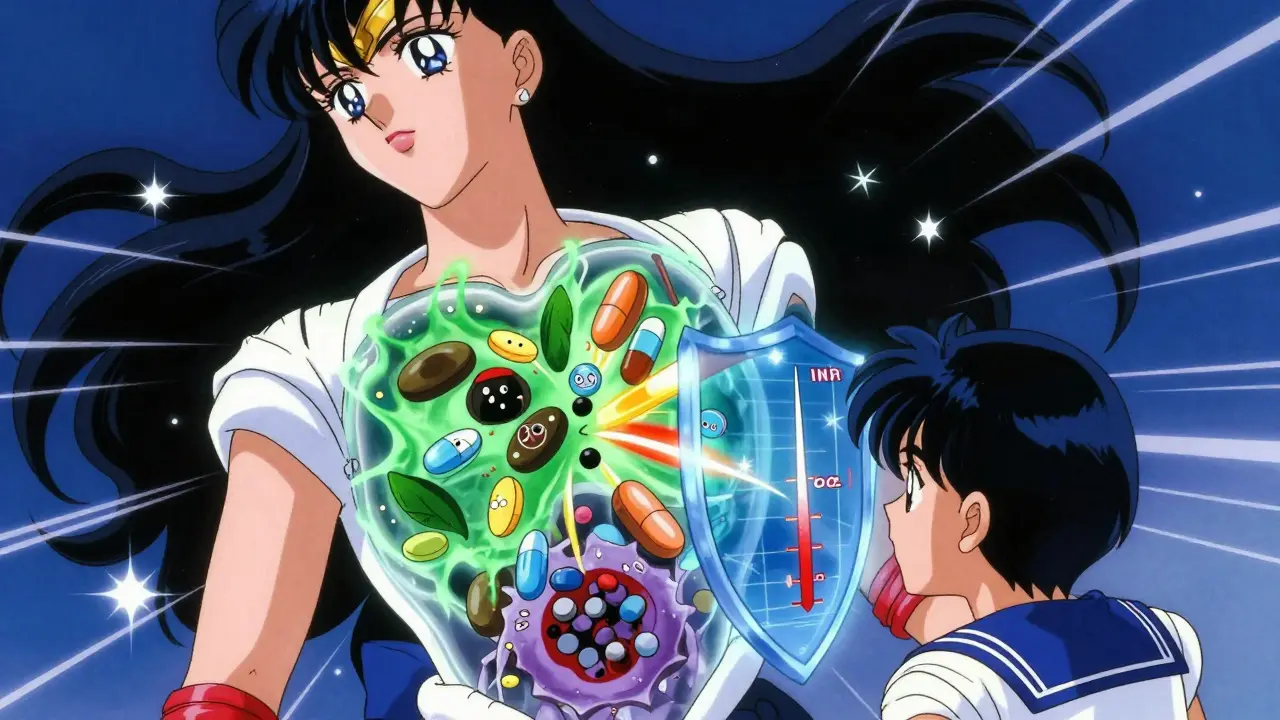
This is the primary concern. Dong Quai contains coumarin derivatives that naturally inhibit platelet aggregation. Platelets are the cells in your blood that clump together to form clots. Warfarin already reduces your blood’s ability to clot. When you add Dong Quai, which also prevents platelets from sticking together, you get an additive effect. It’s like pressing the brake pedal while simultaneously cutting the engine’s power-the result is a much stronger slowing action than either component alone.
A 2015 review in the British Journal of Clinical Pharmacology highlighted that these components create an additive anticoagulant effect. Animal studies have shown that Dong Quai significantly increases prothrombin time (PT) without necessarily changing the concentration of Warfarin in the blood. This confirms that the herb is actively working against clotting mechanisms independently of the drug.
Pharmacokinetic Interaction (Metabolism Interference)
There is also evidence suggesting a secondary mechanism. Some in-vitro studies indicate that Dong Quai may inhibit cytochrome P450 enzymes, specifically CYP2C9, CYP2C8, and CYP3A4. These enzymes are crucial for metabolizing Warfarin in the liver. If Dong Quai slows down these enzymes, Warfarin stays in your system longer. This could extend Warfarin’s half-life from the typical 20-60 hours to potentially 80+ hours in susceptible individuals. While human clinical evidence for this specific metabolic interference is still limited, the potential exists, adding another layer of unpredictability.
Clinical Evidence and Real-World Risks
Is this just theoretical? Unfortunately, real-world data suggests otherwise. While large-scale randomized controlled trials are scarce due to ethical concerns, case reports and systematic reviews paint a clear picture of the danger.
A 2013 systematic review published in PLOS ONE identified Dong Quai as one of 90 commonly used Chinese herbal medicines involved in significant drug interactions with anticoagulants. The study noted that 10-20% of patients in the United States and Singapore concurrently use herbal therapies while on anticoagulants. This widespread practice creates a hidden reservoir of risk in the general population.
Consider the anecdotal but alarming reports from patient communities. On the r/anticoagulants subreddit, users have shared stories of sudden INR spikes after starting Dong Quai. One user reported their INR jumping from a stable 2.8 to a dangerous 5.1 after using the herb for menopausal symptoms, requiring hospitalization. Similarly, forums like HealthUnlocked have documented cases where unexplained INR fluctuations were traced back to Dong Quai use, with average increases of 1.7 points above baseline.
Dr. Catherine Ulbricht, a senior pharmacist at Massachusetts General Hospital, emphasized that the additive antiplatelet effects of Dong Quai could push a patient’s INR from a therapeutic range of 2.5 to levels above 4.0. An INR above 4.0 significantly increases the risk of major bleeding events, including gastrointestinal hemorrhage or intracranial bleeding.
What Do Major Medical Institutions Say?
When experts disagree, it’s confusing. But in this case, the consensus among major medical institutions is strikingly uniform: caution or avoidance.
| Institution / Source | Recommendation | Rationale |
|---|---|---|
| Cleveland Clinic (2022) | Avoid | Lack of safety data; high risk of bleeding |
| Memorial Sloan Kettering Cancer Center (2023) | Consult Physician | Additive anticoagulant effect; estrogenic activity risks |
| University of California San Diego (2022) | Increased Risk Category | Coumarin derivatives potentiate warfarin |
| American Heart Association (2020) | High-Risk Herb | Plausible mechanism for dangerous interaction |
The Cleveland Clinic explicitly recommends avoiding Dong Quai in Warfarin-treated patients. They place it in the same risk category as other potent herbs like Ginkgo biloba and garlic. The University of California San Diego lists it under "Supplement Interactions" with an upward arrow indicating increased anticoagulant effect.
Furthermore, Memorial Sloan Kettering adds another dimension to the risk: Dong Quai has estrogenic activity. For patients with hormone-sensitive cancers who are also on anticoagulants, this dual risk profile makes the herb particularly problematic. It’s not just about bleeding; it’s about stimulating conditions that may worsen underlying health issues.
Why Is This So Hard to Manage?
If doctors say avoid it, why do people still take it? Several factors contribute to the persistence of this risky combination.
Lack of Awareness: A 2022 survey by the National Center for Complementary and Integrative Health found that 68% of patients using Warfarin were unaware of potential interactions with Chinese herbal medicines. Many patients assume "natural" equals "safe," failing to realize that herbs contain potent bioactive chemicals that interact with prescription drugs just like other medications would.
Product Variability: Unlike pharmaceuticals, herbal supplements are not strictly regulated for potency. The United States Pharmacopeia tested Dong Quai products and found up to an 8-fold variation in ferulic acid content between batches. This means one bottle might have a mild effect, while the next batch could cause a massive spike in anticoagulation. You never know exactly what you’re getting.
Market Growth: Despite warnings, the global Dong Quai market grew from $285 million in 2020 to $342 million in 2022. North American sales increased by 14.2% annually. As long as the demand for natural remedies for menopause and menstrual pain remains high, patients will continue seeking out these herbs, often without disclosing their use to their cardiologists or hematologists.
Practical Steps for Patients and Clinicians
If you are on Warfarin, or if you are a clinician managing such patients, here is how to navigate this landscape safely.
For Patients:
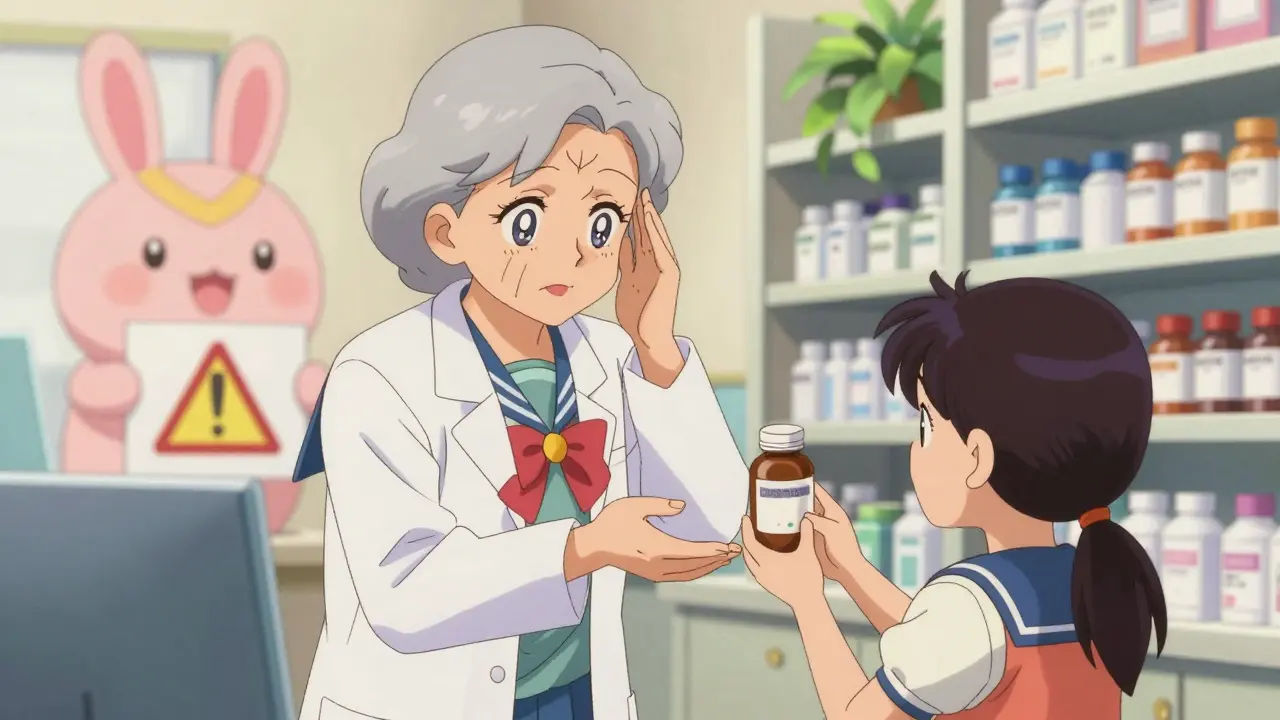
- Disclose Everything: Never hide your supplement use. Tell your doctor about every pill, powder, or tea you consume. Be honest about Dong Quai, even if you bought it online or at a local market.
- Do Not Self-Medicate: Do not start Dong Quai for menopausal symptoms or cramps without explicit approval from your anticoagulation specialist.
- Monitor Symptoms: Watch for signs of excessive bleeding, such as unusual bruising, nosebleeds, bleeding gums, or dark/tarry stools. If these occur, seek immediate medical attention.
For Clinicians:
- Baseline Monitoring: If a patient insists on using Dong Quai despite warnings, obtain a baseline INR before initiation.
- Frequent Testing: Monitor INR within 3-5 days of starting or stopping the herb. Continue monitoring at 7-14 days due to the variable potency of herbal products.
- Dose Adjustment: The American Society of Health-System Pharmacists suggests that if use cannot be avoided, reduce the Warfarin dosage by 15-25% initially and monitor twice weekly for the first month.
- Educate: Explain the concept of "additive effects" clearly. Use analogies like the brake pedal example to help patients understand why two "helpful" things can become harmful together.
The Future of Regulation and Research
Regulatory bodies are beginning to catch up. The European Medicines Agency recommended adding specific Warfarin interaction warnings to all Dong Quai product labels in EU member states, effective January 2025. In the US, the FDA has documented adverse event reports involving herbal products and anticoagulants, though specific tracking of Dong Quai remains challenging under the Dietary Supplement Health and Education Act (DSHEA).
Research is ongoing. The National Institutes of Health awarded a grant to the University of Illinois at Chicago for a clinical trial examining the pharmacokinetic and pharmacodynamic interactions of Dong Quai and Warfarin. Preliminary results are expected in late 2024 or early 2025. Until then, the precautionary principle applies: when in doubt, leave it out.
The bottom line is clear. Dong Quai is not a benign flower tea when combined with Warfarin. It is a potent biological agent that disrupts the delicate balance required for safe anticoagulation therapy. Protecting your life depends on respecting that boundary.
Can I take Dong Quai if I am on Warfarin?
Generally, no. Major medical institutions like the Cleveland Clinic recommend avoiding Dong Quai in patients treated with Warfarin due to the high risk of enhanced anticoagulation and bleeding. If you believe it is necessary, you must consult your physician first and undergo strict INR monitoring.
How does Dong Quai increase bleeding risk?
Dong Quai contains coumarin derivatives that inhibit platelet aggregation, creating an additive anticoagulant effect when combined with Warfarin. It may also inhibit liver enzymes that metabolize Warfarin, causing the drug to stay in your system longer and intensify its effects.
What are the symptoms of too-thin blood from this interaction?
Symptoms include easy or unusual bruising, prolonged bleeding from cuts, nosebleeds, bleeding gums, red or brown urine, black or tarry stools, and in severe cases, internal bleeding which may present as dizziness, weakness, or abdominal pain.
Is there a safe alternative to Dong Quai for menopausal symptoms?
Yes, but it depends on your individual health profile. Non-herbal options include lifestyle changes, cognitive behavioral therapy, or prescribed hormone replacement therapy (HRT) under strict medical supervision. Always discuss alternatives with your doctor, as some non-herbal supplements also interact with Warfarin.
How quickly does the interaction happen?
The interaction can occur rapidly. Clinical guidelines suggest monitoring INR within 3-5 days of starting Dong Quai because the additive effects can manifest quickly, leading to dangerous spikes in anticoagulation levels.